Onshore/Offshore Facilities
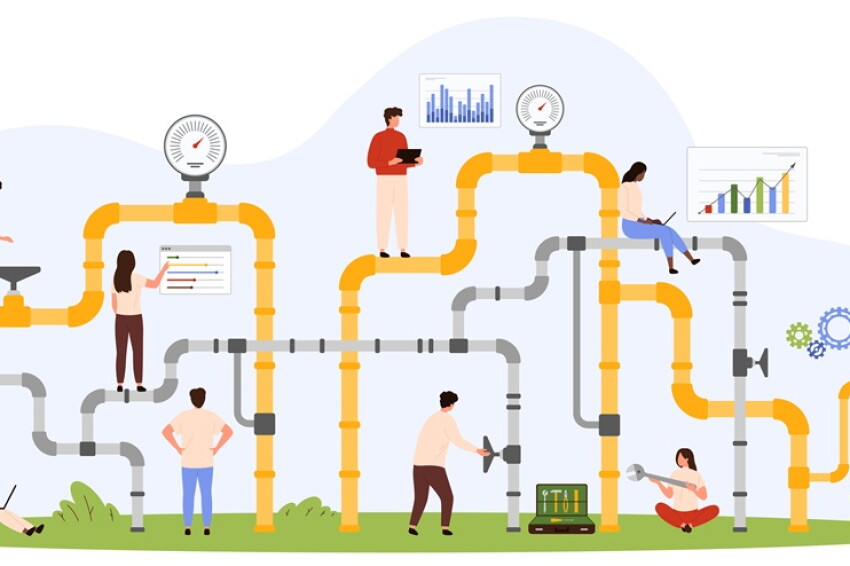
A credible custody-transfer record depends on far more than the accuracy of a single meter. It is the product of an integrated measurement chain. While meter performance supports measurement-system integrity, commercial confidence also depends on traceability, governance, and authorization.

Despite significant progress in capturing associated gas for domestic use, Iraq remains the world’s third-largest gas-flaring country as it aims for higher oil and gas production targets.

The 2026 Upstream Scale Guidelines establish a common workflow for field measurements, scale modeling, and risk assessment to support more consistent operational decisions.
-
 Akers BP said it will use lessons learned from the pilot and scale the remote-assist concept across its assets.
 -
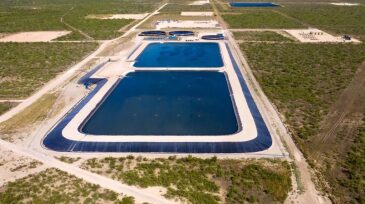
Breakwater’s produced-water-recycling facility has the flexibility to recycle, store, or dispose of water. It has already recycled nearly 5 million bbl of produced water in the third quarter of 2020.
-
The FPSO will be capable of processing 90,000 B/D of crude, 75 million ft3/D, 120,000 B/D of water injection, and a storage capacity of 900,000 bbl of crude oil. First oil is planned for 2021.
-
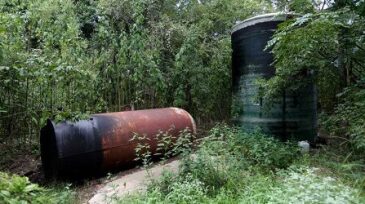
Plugging and cleaning up the open oil and gas wells in Texas could cost companies and taxpayers as much as $117 billion, according to a new report.
-
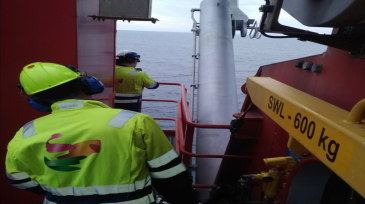
The Bubbleheads, a team of four deep-sea saturation divers, share the view of a bellman.
-
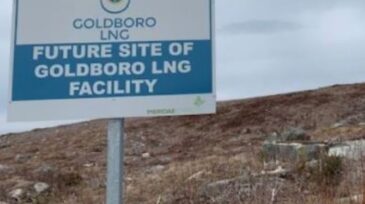
Bechtel will design the LNG facility with a final contract price proposal by spring 2021. If built, Goldboro LNG would be the largest megaproject in Nova Scotia’s history.
-
Wood Mackenzie is bullish on the future of global LNG demand. Chief Analyst Simon Flowers outlines the risks ranging from spot prices, project economics, and environmental concerns.
-
Baker Hughes scored what it said is among the largest LNG deals it has secured in the past 5 years. The compressors will be installed in Qatar Petroleum’s North Field East LNG trains, boosting Qatar’s total LNG production capacity from 77 mtpa to 110 mtpa.
-
SPE’s technical director for Production and Facilities, shares some hard lessons learned—and successes—over his 50 years of experience, from being a greenhorn to launching his own business.
-
The Dutch major said it has filed an application for drilling operations in the North Slope as part of an effort to help attract buyers to 18 leases it purchased rights to in 2012.