Onshore/Offshore Facilities

Despite significant progress in capturing associated gas for domestic use, Iraq remains the world’s third-largest gas-flaring country as it aims for higher oil and gas production targets.

The 2026 Upstream Scale Guidelines establish a common workflow for field measurements, scale modeling, and risk assessment to support more consistent operational decisions.

Shell has reached FID on LNG Canada Phase 2, a major expansion that will double the Kitimat facility’s LNG export capacity to 28 mtpa and strengthen long-term supply to growing Asian markets.
-
 To avoid costly interventions like sidetracking or wellbore abandonment, a check-valve system was installed near the sandface within three injector wells which prevented the mobilization of fines from the reservoir into the wellbore by stopping backflow.
 -
Failure to electrify facilities in the UK North Sea could soon result in a denial of petroleum licenses and the forced closure of some offshore assets.
-
Canadian independent sees divestment occurring in the first half of 2024, putting it out of the LNG business.
-
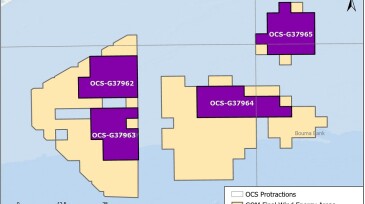
The department says the four areas, totaling 410,000 acres, have the potential to power 1.2 million homes.
-
A total of 15 companies, including five small businesses, were recognized this year for their demonstrated advancements in the industry.
-
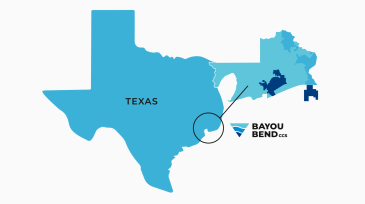
After becoming one of the first US independents to go big on CCS less than 3 years ago, Houston-based Talos Energy is making its exit.
-
The project advances toward the final investment decision expected this year.
-
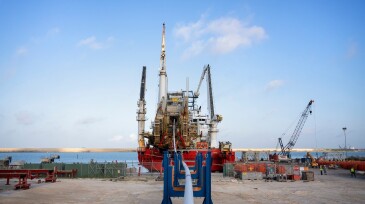
The US contractor will provide subsea installation services with work expected to begin in 2026.
-
The bureau estimates that the project, previously known as Vineyard Wind South, would generate up to 2,600 MW of electricity, enough to power more than 900,000 homes.
-
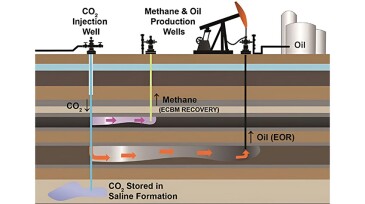
The long, successful history of various metallurgies in EOR wells has been cited as sufficient to allow the same completions for CCS injection wells. The lack of actual data on the long-term performance of these alloys in EOR wells in combination with the more-stringent requirements for Class VI wells suggests otherwise.