Onshore/Offshore Facilities

Despite significant progress in capturing associated gas for domestic use, Iraq remains the world’s third-largest gas-flaring country as it aims for higher oil and gas production targets.

The 2026 Upstream Scale Guidelines establish a common workflow for field measurements, scale modeling, and risk assessment to support more consistent operational decisions.

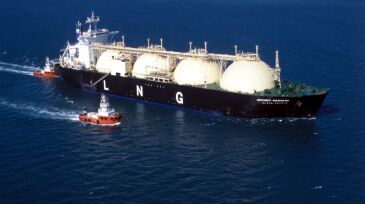
Shell has reached FID on LNG Canada Phase 2, a major expansion that will double the Kitimat facility’s LNG export capacity to 28 mtpa and strengthen long-term supply to growing Asian markets.
-
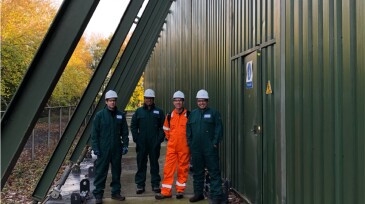
 This paper presents a low-impact solution for well abandonment with fully electrified equipment that mostly uses grid power in an urban area.
 -
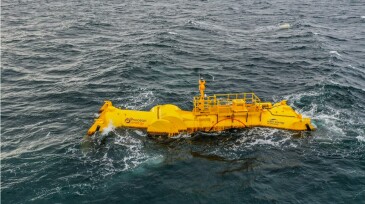
This paper describes development of a fully integrated system for the provision of low-carbon, remote power and communications using wave energy converters.
-
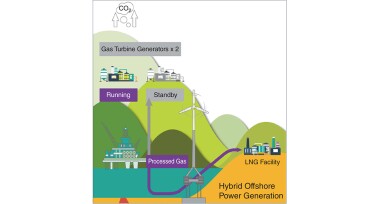
This paper describes an offshore hybrid power-generation concept incorporating a wind-turbine system in a low-wind area of Malaysia.
-
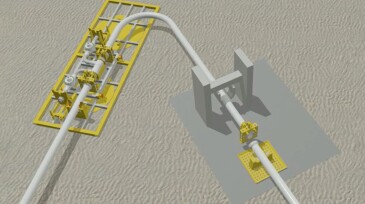
This paper presents a discussion of main concepts, challenges, and opportunities relating to subsea system design for CO2 injection in carbon capture and sequestration applications.
-
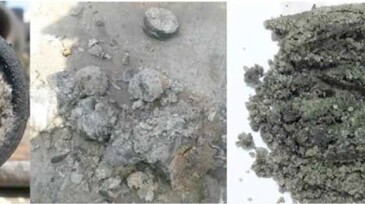
This paper describes treatment of deep gas wells experiencing halite deposition by installation of a velocity string that creates synergy between gas-well deliquefication and halite management.
-
This paper describes an effort to increase value creation in Troll Phase 3 by reducing the pressure drop along the value chain from the reservoir through the wells, subsea systems, pipeline, and tieback.
-
The construction of the Calcasieu Pass 2 liquefied natural gas facilities in Cameron Parish is scheduled to start this year.
-
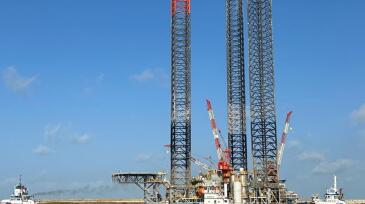
New Fortress Energy said its newly converted jackup facility has sailed for waters offshore Mexico where it plans to produce 1.4 mtpa of LNG.
-
OMV’s discovery of a domestic gas resource coincides with its agreement to import LNG from BP to be regasified in Rotterdam, as Austria knits together a strategy to ensure its energy security.
-
The US accounted for 75% of global growth in LNG liquefaction capacity last year as Europe’s worldwide imports jumped 66%, according to the International Gas Union.