Onshore/Offshore Facilities

Despite significant progress in capturing associated gas for domestic use, Iraq remains the world’s third-largest gas-flaring country as it aims for higher oil and gas production targets.

The 2026 Upstream Scale Guidelines establish a common workflow for field measurements, scale modeling, and risk assessment to support more consistent operational decisions.

Shell has reached FID on LNG Canada Phase 2, a major expansion that will double the Kitimat facility’s LNG export capacity to 28 mtpa and strengthen long-term supply to growing Asian markets.
-
 The electrical submersible pump market is forecast to hit $6.7 billion in 2023.
 -
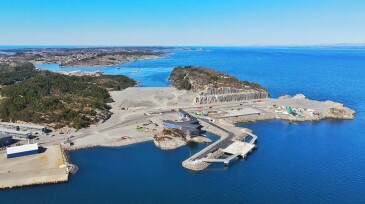
The two companies have agreed to develop a carbon capture and storage supply chain to funnel carbon dioxide produced by German industry into storage deep beneath the Norwegian Continental Shelf.
-
A Schlumberger, Aker Solutions, and Subsea 7 partnership will collaborate on international subsea projects.
-
The Norwegian oil and gas producer announced its new spending plan that aims to raise production past half a million barrels a day.
-
Unique partnerships forward both conventional renewables and new technologies to close the gap for a carbon-free future across the globe.
-
GATE Energy is the most recent contract awardee for LLOG Exploration's Salamanca project in the Gulf of Mexico.
-
Baker Hughes sees opportunity to capitalize by bundling smaller intervention campaigns.
-
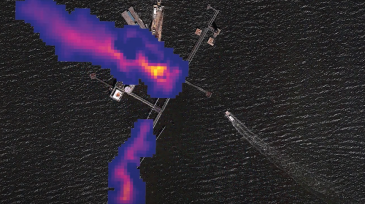
Airborne emissions surveys of offshore oil and gas facilities are not as common as those done onshore. A recent study suggests that needs to change.
-
The Eni-BP Azule JV creates Angola’s largest independent oil and gas company and will operate the New Gas Consortium project, the country’s first non-associated gas project and a boost to West African LNG.
-
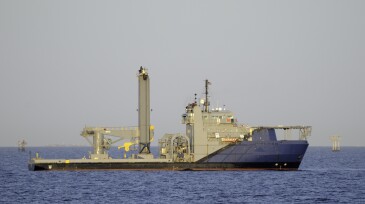
Onshore flange repair allows several deepwater systems to resume production.