Onshore/Offshore Facilities

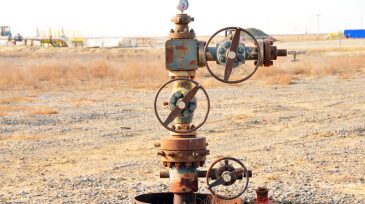
While Uzbekistan has seen a significant drop in flaring, methane leaks from deteriorating infrastructure continue to reveal themselves to satellites in space.

Analysts weigh near‑term risks for Middle East oil and gas producers after a tentative 2‑week ceasefire between the US‑Israeli coalition and Iran.

The North Sea project, which is sending production to the nearby Ivar Aasen platform, came online 9 months ahead of schedule.
-
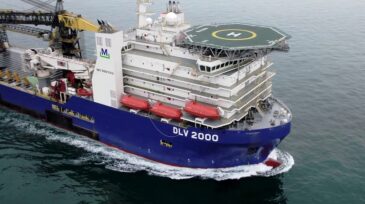
 Completion comes despite two cyclones disrupting the project area during installation, McDermott said.
 -
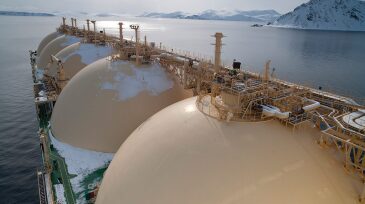
In its first 50 years, LNG has become the world’s fastest-growing gas supply source and is now part of an upheaval in the global energy market. Today, the sector stands at a crossroads, and the industry must adopt new thinking to address current and future needs of buyers, sellers, and consumers.
-
Exponential thinking is called the “exponential surprise factor.” These underpinnings are observed on the tubular mechanics side also through data analytics, machine learning, artificial intelligence, and cognitive processes.
-
The deal consists of stakes in nine shallow-water producing fields covering 108,000 gross acres in 10–50 m of water.
-
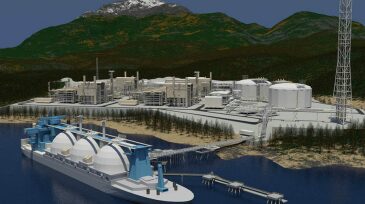
The $30.5-billion project is expected to produce 18 mtpa of LNG once it starts up; commissioning is expected sometime in the mid-2020s. Canada’s investment includes $160 million to fund energy-efficient turbines, which the government says will minimize greenhouse gas emissions.
-
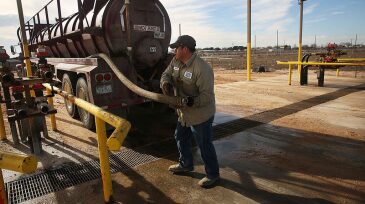
The well count and completion intensity of US tight oil and gas operations have grown in recent years, and rising pressure from environmental regulations means that produced water management has become a key focus for operators.
-
Hydroniq will deliver a hull-integrated seawater cooling system for a cable-laying vessel the Norwegian shipbuilder Vard is designing and building for Prysmian Group.
-
A new regulation includes provisions related to the timely abandonment of "dormant sites," a new site classification that refers to inactive wellsites operated by solvent companies.
-
SponsoredParaffins present in crude oil can gel or precipitate, which can cause pipeline and production system blockages. Dow’s ACCENT wax inhibitors are high-active, aqueous-based chemistry, that efficiently control paraffin deposition in pipelines.
-
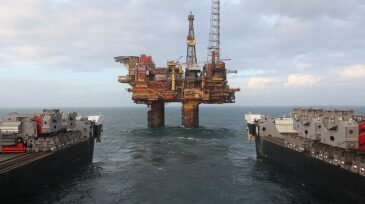
Bravo is the second of four platforms to be decommissioned and removed from the Brent field, following Brent Delta in 2017. The field has produced approximately 3 billion boe since 1976.