Onshore/Offshore Facilities

The deal includes Waygate’s inspection portfolios and is expected to close later this year.

While Uzbekistan has seen a significant drop in flaring, methane leaks from deteriorating infrastructure continue to reveal themselves to satellites in space.

Analysts weigh near‑term risks for Middle East oil and gas producers after a tentative 2‑week ceasefire between the US‑Israeli coalition and Iran.
-
 The complete paper evaluates optimization techniques to develop, or support, business cases for intelligent or smart wells.
 -
This paper presents full-scale tests that show it is possible to obtain good cement placement when the tubing is left in the hole.
-
The need to offset declining production from mature basins, as well as the ability of international oil companies to access larger reserves with the use of new exploration-and-production technology, will continue to drive deepwater expenditure.
-
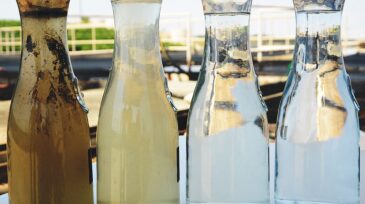
OriginClear agreed to a sales licensing deal for use of its Electro Water Separation technology at a Sinopec-operated shale gas site.
-
Oil and gas producers in the Gulf of Thailand face unique technical challenges. This review of papers illustrates some of the innovative solutions used in the region.
-
New figures show that the facilities working in the Gulf of Mexico achieved higher crude output in 2016 than at any other period.
-
A senior process engineer from TechnipFMC discusses the ways in which inadequate design and sizing methodologies can lead to poor scrubber performance.
-
Sea lines transporting gas in the Persian Gulf exhibit different thermal regimes in different regions. This study summarizes hydrate-inhibition practices for these sea lines, and indicates a possibility of using them as indirect thermometers to provide important physical oceanographic data.
-
At the 2017 SPE Oilfield Chemistry Conference, an assistant professor from Heriot-Watt University discusses the optimization of squeeze treatments delivered by diving support vessels.
-
A new university-led consortium aims to bring together industry and academia to help operators efficiently orchestrate the final days of deepwater developments.