Onshore/Offshore Facilities

This paper presents a flexible, highly cost- and energy-efficient method of gas separation and CO₂ capture from many different gas mixtures with a large range of CO₂ concentrations.

This work introduces a novel predictive methodology combining historical metocean data with real-time riser analysis for shallow water dynamically positioned rig operations.

This paper documents the testing, integration, and field deployment of a metal expandable packer used as an openhole toe isolation plug in a deepwater well under high-pressure, high-temperature conditions.
-
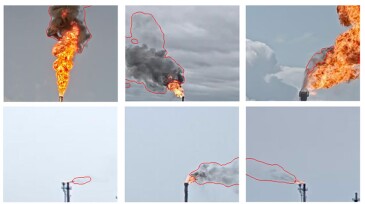
 This paper focuses on developing a model that can be used in an automated, end-to-end flare-smoke detection, alert, and distribution-control solution that leverages existing flare closed-circuit television cameras at manufacturing facilities.
 -
Updates about global exploration and production activities and developments.
-
The technology to desalinate and reuse produced water for cooling AI data centers in the Permian Basin exists, but addressing cost challenges remains critical to widespread adoption.
-
In today’s era of asset management, digital twins are changing risk management, optimizing operations, and benefitting the bottom line.
-
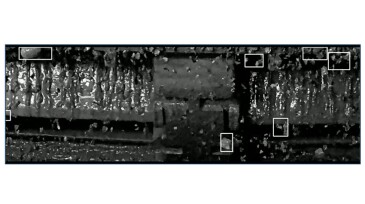
This paper describes an experimentation trial deploying and operating a computer-vision system on a deepwater rig to measure drilled cuttings in real time using a remotely monitored camera system.
-
The experience captured in this paper illustrates the potential of deepwater riserless wireline subsea intervention capability and the fact that it can be expanded beyond hydraulic-only, simple mechanical, and plugging-and-abandonment scopes.
-
The $5-billion Tiber-Guadalupe project in the Gulf of America is BP's second major project in the region to be sanctioned in 2 years.
-
Angola expects an 18% rise in natural gas production by 2030 as global producers invest in offshore exploration and new field development.
-
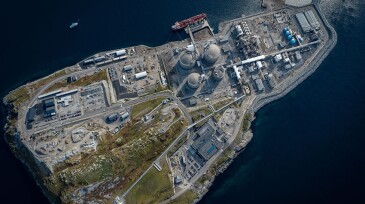
The subsea field is part of the larger Snøhvit development in the Barents Sea.
-
BW Opal FPSO has capacity for 850 MMcf/D of gas, which will be treated and sent on to the Darwin LNG facility, and 11,000 B/D of condensate, which will transferred via tanker.