Onshore/Offshore Facilities
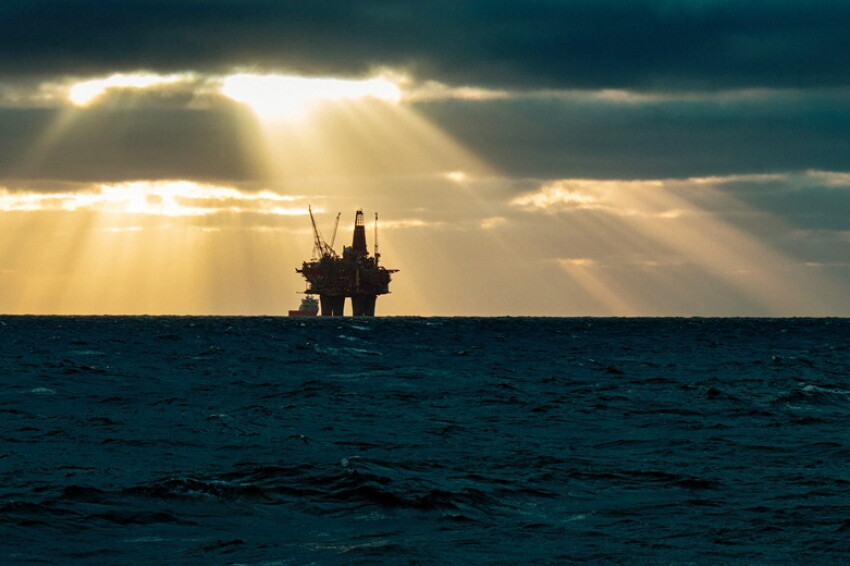
This paper identifies opportunities and risks associated with repurposing an offshore oil and gas platform for green hydrogen production. Various technical scenarios were investigated for the case study platform, and their profitability was determined using economic calculations. In addition, all the submodels were compared with standard decommissioning costs for reco…

This paper presents a flexible, highly cost- and energy-efficient method of gas separation and CO₂ capture from many different gas mixtures with a large range of CO₂ concentrations.

This work introduces a novel predictive methodology combining historical metocean data with real-time riser analysis for shallow water dynamically positioned rig operations.
-
 This paper demonstrates a new way to create gas-tight seals during well abandonment, overcoming the limitations of traditional methods and reducing the operator’s liability and potential environmental impact after decommissioning has been completed.
 -
Could 2019 be a bumper year for offshore energy development?
-
Natural gas, often hailed as the bridge to an energy future that will include greater demand for alternative energy supplies, may be poised to overtake oil as the globe’s primary fuel source in the next decade.
-
Ashtead Technology has acquired Louisiana-based subsea equipment rental and cutting services specialist, Aqua-Tech Solutions, as part of the company’s international growth plans in the US.
-
High-fidelity 3D engineering simulations are valuable in making decisions, but they can be cost-prohibitive and require significant amounts of time to execute. The integration of deep-learning neural networks with computational fluid dynamics may help accelerate the simulation process.
-
ExxonMobil signed a sales and purchase agreement with Zhejiang Provincial Energy Group for LNG supply. Zhejiang Energy is expected to receive 1 mtpa over 20 years.
-
Decommissioning and abandonment comes with its share of unexpected surprises, but many of those surprises could be avoided merely through better planning and care.
-
-
Cutting-edge computing and subsea wireless camera technology deployed on a pipeline construction project enhanced diver safety and generated significant cost savings by avoiding the need for additional subsea vessels.
-
The pipeline system will have the initial capacity to deliver 150,000 B/D of crude oil to multiple delivery points, accessing local refineries and connecting to several downstream pipelines.