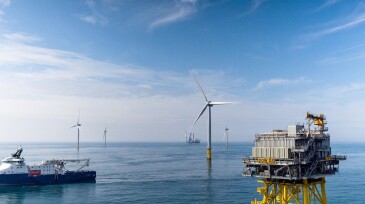
Onshore/Offshore Facilities
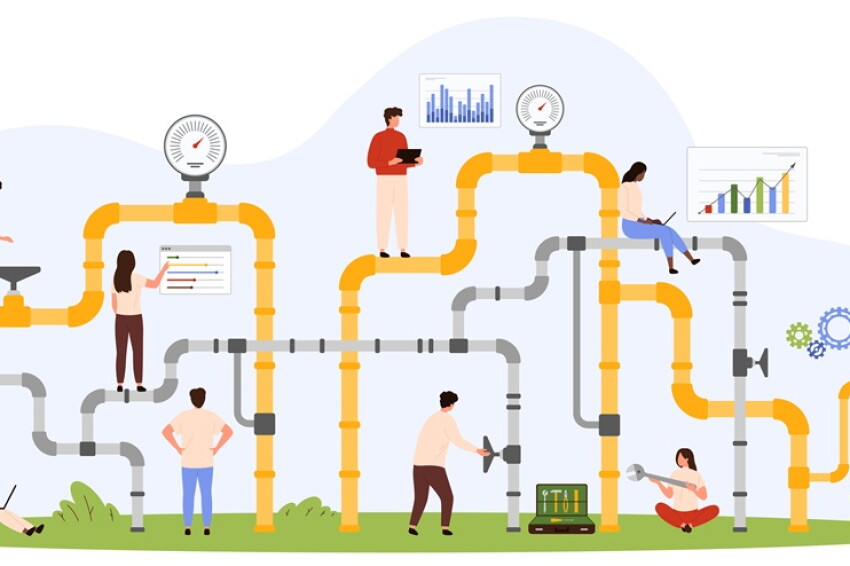
A credible custody-transfer record depends on far more than the accuracy of a single meter. It is the product of an integrated measurement chain. While meter performance supports measurement-system integrity, commercial confidence also depends on traceability, governance, and authorization.

Despite significant progress in capturing associated gas for domestic use, Iraq remains the world’s third-largest gas-flaring country as it aims for higher oil and gas production targets.

Shell has reached FID on LNG Canada Phase 2, a major expansion that will double the Kitimat facility’s LNG export capacity to 28 mtpa and strengthen long-term supply to growing Asian markets.
-
 BP sanctioned development of the Kaskida in 2024, with first oil from the high-pressure project expected in 2029.
 -
Seventeen companies, including four small businesses, were recognized this year for their demonstrated advancements in the industry.
-
The project partners and the Newfoundland and Labrador government reach agreement over life-of-field benefits, royalties, and an equity option, moving development toward sanction in 2027.
-
Drone strikes, refinery shutdowns, tanker disruptions, and halted LNG production have heightened concerns about broader supply risks.
-
Operator started planning the development before it made its latest North Sea discovery.
-
Ir Mohd Yusri Mohamed Yusof spoke with JPT about the national oil company’s carbon capture and storage efforts, the value of cross-border cooperation, and his expectations for OTC Asia, to be held 31 March–2 April 2026 in Kuala Lumpur.
-
The organization has launched Industrial Services in an effort to support growing energy and infrastructure markets.
-
The Middle East’s largest unconventional gas development officially begins production as Saudi Aramco targets 6 million BOE/D of gas and liquids capacity by 2030.
-
While physical damage to energy infrastructure has so far been limited, analysts caution that a prolonged conflict could drive prices higher even as OPEC+ proceeds with planned incremental supply increases.
-
The tools to reduce flaring are well within reach, but the results will depend on a long-term commitment by operators and governments.