Onshore/Offshore Facilities

The Absheron gas field expansion will supply additional natural gas to Azerbaijan’s domestic market and support its export commitments to Turkey, allowing Baku to stay focused on meeting its gas export obligations to Europe.

A credible custody-transfer record depends on far more than the accuracy of a single meter. It is the product of an integrated measurement chain. While meter performance supports measurement-system integrity, commercial confidence also depends on traceability, governance, and authorization.

Despite significant progress in capturing associated gas for domestic use, Iraq remains the world’s third-largest gas-flaring country as it aims for higher oil and gas production targets.
-
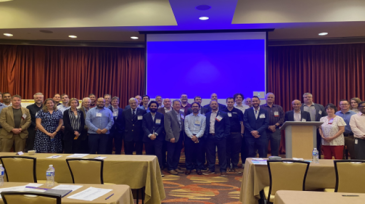
 Sharing state-of-the-art design and troubleshooting methods, the workshop identified future separation needs and gap statements and proposed how to close the gaps.
 -
Equans has selected ANYbotics as its preferred ground robot supplier to drive the adoption of ANYmal for autonomous inspections, asset monitoring, and maintenance.
-
More than 40 years since its discovery, a hot and stubborn gas reservoir offshore Abu Dhabi has been tamed.
-
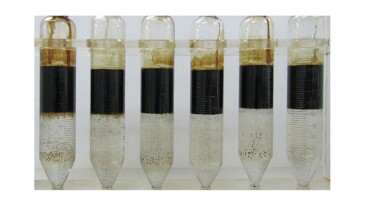
This work investigates a cost-effective and sustainable alternative to acidification for sheen control.
-
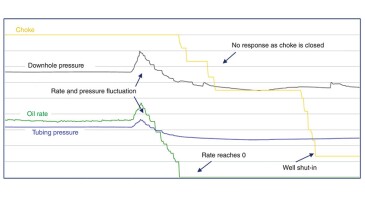
The authors of this paper discuss how intelligent completions in the Gulf of Mexico have allowed for increased production, reduction in operating expenses, enhanced overall reservoir recovery, and improved safety and environmental performance.
-
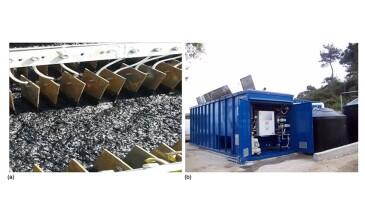
The paper aims to address the challenges and opportunities in managing produced water and its contaminants in the petroleum industry.
-
The new partnership assets include pipelines in Pennsylvania, Ohio, and West Virginia serving the Marcellus and Utica shales.
-
The deal expands ONEOK’s gas transmission and processing footprint in the Permian, Louisiana, and Oklahoma.
-
The plan calls for developing a gas field, CCUS, and onshore compression, with first production expected in 2028.
-
This paper reviews decommissioning and abandonment in Nigeria, looks at candidate identification strategies, breaks down the methods and best practices involved, and examines the requirements for openhole and cased-hole abandonment.