Onshore/Offshore Facilities

This study aims to systematically assess casing integrity and corrosion risks associated with CO2 injection in oil-recovery operations.

This paper reviews a proof-of-concept project in which surplus casing pipes were used in the fabrication of purposefully designed artificial reef structures for the enhancement of biodiversity and commercial fisheries.

This paper presents a study that confirms glass-reinforced-epoxy-lined tubing as a reliable, cost-effective solution for long-term water-injection service in moderate-salinity offshore environments.
-
 With the right internal modifications, traditional degassers can be enhanced with gas flotation for improved oily water separation. This article outlines key design considerations—including inlet and settling zones, skimming, and solids handling. Two case studies highlight lessons learned in troubleshooting and revamping degasser designs.
 -
Work by researchers at the University of Saskatchewan aims to advance the understanding of clathrate hydrates, crystal cages of ice that can trap gas and liquids.
-
Electricity produced onshore powers oil production at Johan Sverdrup holding CO₂ emissions at only 5% of the global average.
-
Texas lawmakers passed a suite of bills that officials said are crucial to combat losses in the state’s largest oil field.
-
Successful in other applications, self-healing coatings could be the oil industry’s ticket to fighting corrosion and extending the life of steel.
-
This paper aims to describe the role of liquefied natural gas as a transitional energy source for automobile transportation in Nigeria.
-
The language of the well is conveyed through various parameters, including hook load, weight on bit, rotational speed, torque, pressure, and cuttings returns. The journey to understand this language has driven advancements in standardization, automation, technology, and science within planning and operations.
-
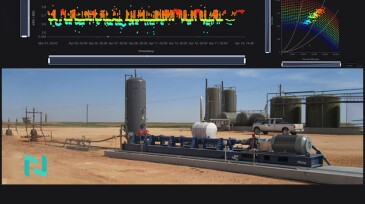
This article presents a results-driven case study from an ongoing collaboration between a midstream oil and gas company and Neuralix Inc.
-
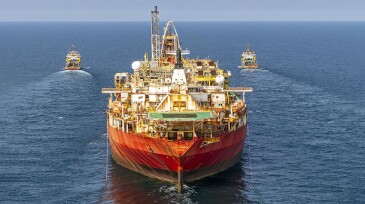
Shell became the first international company to operate producing fields offshore Brazil and the first to navigate the country’s complex and detailed decommissioning permitting process, which involved extensive environmental assessments, regulatory approvals, and coordinated stakeholder engagement.
-
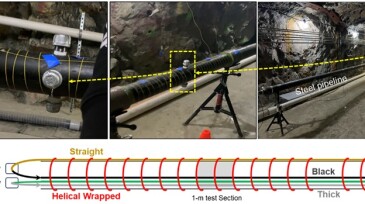
Unlike traditional inspection methods, distributed fiber-optic sensing offers continuous, real-time monitoring capabilities, allowing for early detection and response to potential leaks, which is especially crucial in remote or inaccessible locations.