Onshore/Offshore Facilities

The global oil and gas industry is reimagining natural gas processing and handling in response to environmental pressures, economic realities, and technological opportunities. The predominant narrative is one of transition.

This paper describes the operator’s initiative to reduce greenhouse-gas emissions and recover additional hydrocarbon, monetizing it as sales gas, by integrating upstream and downstream gas facilities in a unified approach.

This paper highlights the effects of tax credits on business operations for midstream companies in the Permian Basin.
-
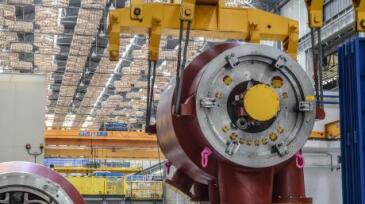
 Baker Hughes has acquired the power generation division of the UK’s BRUSH group to grow its turbomachinery portfolio and decarbonization solutions capabilities.
 -
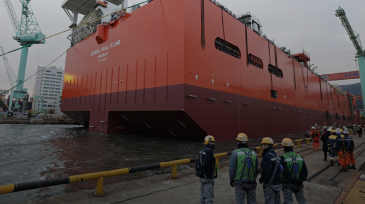
Eni has proposed that its partners in the Rovuma LNG project construct a second floating liquefied natural gas processing facility to circumvent political risks that have disrupted ExxonMobil from building an onshore megaplant.
-
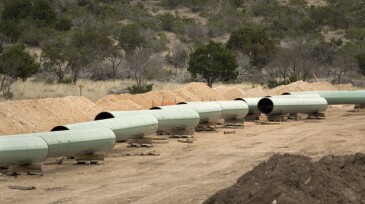
A fresh batch of expansions and a new pipeline are set to provide operators offtake options.
-
Many hurdles for marinization of green hydrogen production already have been overcome in the offshore oil and wind sectors. A fresh set of challenges, however, will rise around developing and deploying hydrogen production facilities offshore.
-
The Russian gas company announced that it will use locally source unmanned aerial vehicles to inspect its facilities and pipelines in the Yurkharovskoye field.
-
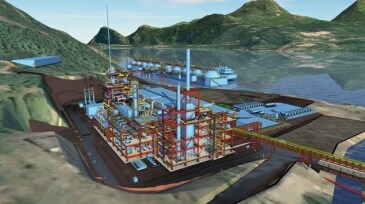
New liquefaction facility planned for Squamish, British Columbia, is expected online in 2027.
-
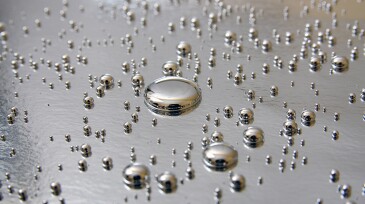
The paper provides an approach to mitigating the adverse effects of mercury found in production fields, including treatment-facility requirements and suitable technologies for production fields and onshore facilities.
-
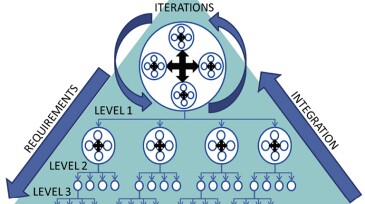
The paper describes a systems-engineering-guidance document currently being developed, and outlines the benefits associated with the use of formal systems-engineering processes when designing complex facilities.
-
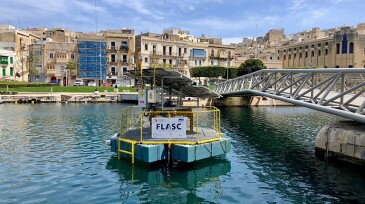
The partnership of Subsea 7 and Flasc has a plan to use out-of-service pipelines as pressure vessels in a hydro-pneumatic energy storage concept.
-
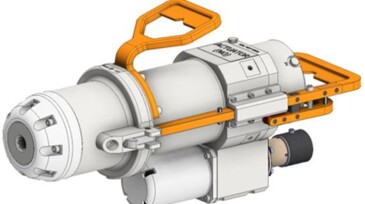
The paper describes the components of an all-electric system, how it fits within a subsea application, and how it compares with traditional electrohydraulic systems.