Onshore/Offshore Facilities

This paper presents a flexible, highly cost- and energy-efficient method of gas separation and CO₂ capture from many different gas mixtures with a large range of CO₂ concentrations.

This work introduces a novel predictive methodology combining historical metocean data with real-time riser analysis for shallow water dynamically positioned rig operations.

This paper documents the testing, integration, and field deployment of a metal expandable packer used as an openhole toe isolation plug in a deepwater well under high-pressure, high-temperature conditions.
-
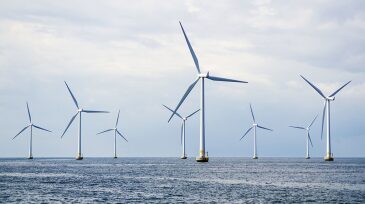
 The three service operations vessels are committed under a long-term contract at the Dogger Bank wind farm offshore UK.
 -
Guyana boasts some of the world's most economic offshore fields. Now it must navigate how to produce them in a world that is asking for oil producers to pull back.
-
This years’ Offshore Technology Conference is full of people working on ways to diversify away from just oil and gas.
-
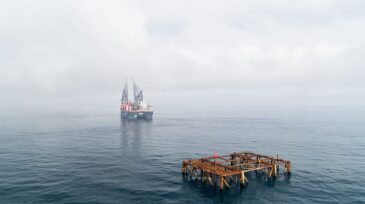
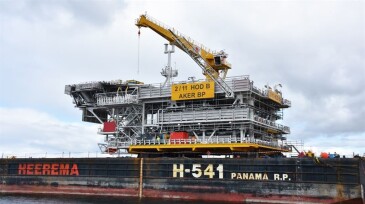
The Heerema semisubmersible crane vessels Thialf and Sleipnir were used on the job to remove the 36,000-ton structure.
-
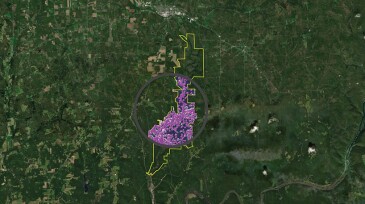
A subsidiary-owned pipeline near Marmon, North Dakota, spilled more than 700,000 bbl of produced water over a period of almost 5 months in 2014–2015.
-
Much has been written on the upcoming supply crunch in the investor-friendly offshore wind installation market, but what are the challenges facing contractors looking to capitalize on this growth and optimize any potential investment in new assets?
-
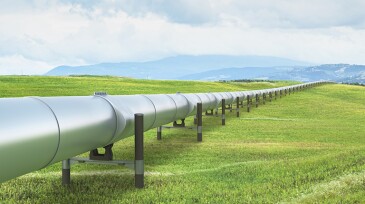
The complete paper provides tools useful for decision-makers to prevent adverse pipeline incidents caused by human action, poor facility performance, accidents, emergencies, and external events.
-
The facility is the second delivered under Aker BP’s platform alliance designed to use a more integrated project delivery model.
-
The impact of orphan wells, both on the environment and on tightening budgets, is a growing concern in the industry. Boom times result in a vast uptick in wells drilled. In bust times, when companies disappear, the liability outlook for these probes gets murky and federal and state governments start looking for answers.
-
The authors present a monoethylene-glycol-sensing system and validate it in a specially constructed flow loop.