Onshore/Offshore Facilities

The latest edition of ISO 20815 extends the petroleum industry's production assurance and reliability management framework to carbon capture, hydrogen, ammonia, and wind assets.
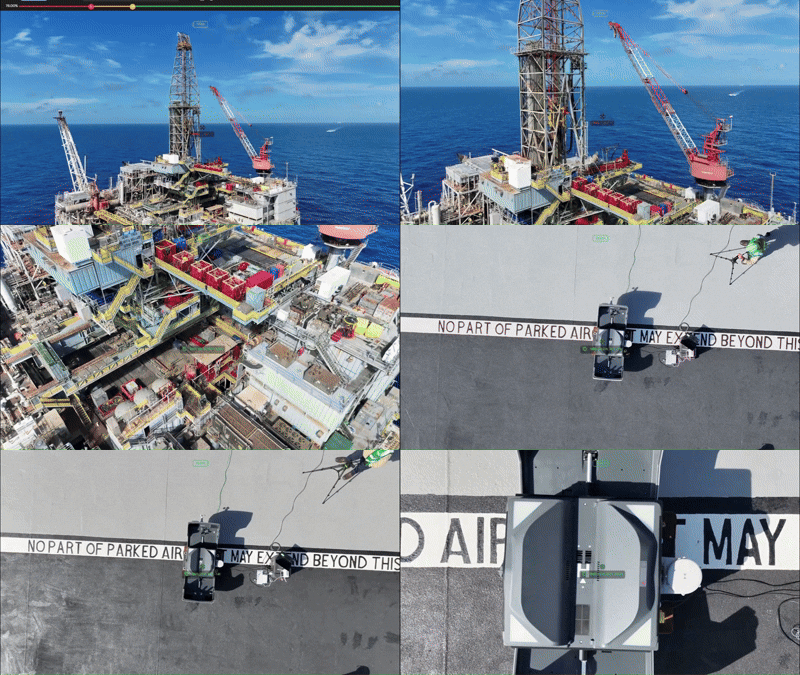
Shell has demonstrated drone-in-a-box operations from its Mars floating production unit, becoming the first operator in the region to secure FAA approval for self-approved offshore beyond-visual-line-of-sight flights. JPT Senior Technology Editor Jennifer Pallanich visited Shell Technology Center Houston to see the system in action.
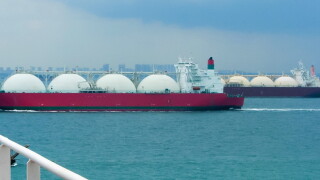
Increased capacity from new terminals and expansions drove up exports of liquefied natural gas at the quickest rate since 2016.
-
 Work by researchers at the University of Saskatchewan aims to advance the understanding of clathrate hydrates, crystal cages of ice that can trap gas and liquids.
 -
Electricity produced onshore powers oil production at Johan Sverdrup holding CO₂ emissions at only 5% of the global average.
-
Texas lawmakers passed a suite of bills that officials said are crucial to combat losses in the state’s largest oil field.
-
This paper aims to describe the role of liquefied natural gas as a transitional energy source for automobile transportation in Nigeria.
-
Successful in other applications, self-healing coatings could be the oil industry’s ticket to fighting corrosion and extending the life of steel.
-
The language of the well is conveyed through various parameters, including hook load, weight on bit, rotational speed, torque, pressure, and cuttings returns. The journey to understand this language has driven advancements in standardization, automation, technology, and science within planning and operations.
-
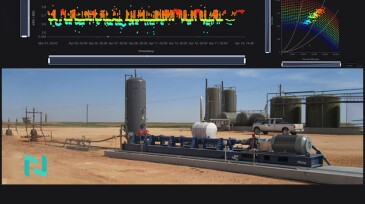
This article presents a results-driven case study from an ongoing collaboration between a midstream oil and gas company and Neuralix Inc.
-
Shell became the first international company to operate producing fields offshore Brazil and the first to navigate the country’s complex and detailed decommissioning permitting process, which involved extensive environmental assessments, regulatory approvals, and coordinated stakeholder engagement.
-
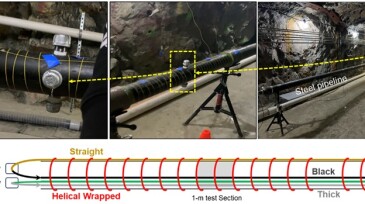
Unlike traditional inspection methods, distributed fiber-optic sensing offers continuous, real-time monitoring capabilities, allowing for early detection and response to potential leaks, which is especially crucial in remote or inaccessible locations.
-
Equinor and Shell plan to launch the joint venture—initially announced in late 2024—by the end of 2025, pending regulatory approvals.