Pipelines/flowlines/risers

The Absheron gas field expansion will supply additional natural gas to Azerbaijan’s domestic market and support its export commitments to Turkey, allowing Baku to stay focused on meeting its gas export obligations to Europe.

This work introduces a novel predictive methodology combining historical metocean data with real-time riser analysis for shallow water dynamically positioned rig operations.

The deals, with a potential value exceeding $3.7 billion, are aimed at strengthening Saudi Aramco’s supply chains and expanding its use of industrial artificial intelligence.
-
 Oil production is reaching new levels in the Permian Basin and it has created some uncertainty about where all the associated gas will go.
-
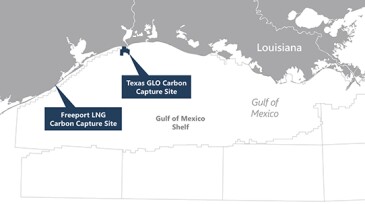
The new project will use EnLink’s existing pipeline infrastructure and Talos’ newly acquired 26,000-acre sequestration area.
-
Two cruises were completed for DenAr Ocean Engineering for the TPAO Sakarya gasfield pipeline route investigation and site survey project.
-
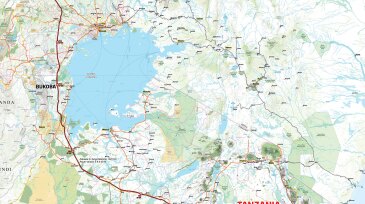
The Lake Albert project includes the development of oil fields, processing facilities, and an electrically heated pipeline network.
-
The facility will be a commercial-scale CO2 sequestration hub in the DJ Basin.
-
The new 165-MW facility uses flare gas from the adjacent Sarqala field to generate power for local use.
-
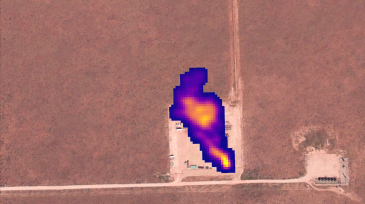
EDF and Carbon Mapper find more than two dozen facilities producing the same near-term climate pollution as about 500,000 passenger vehicles.
-
Design, construction specialist books new work in the Middle East, Australia, and Saudi Arabia.
-
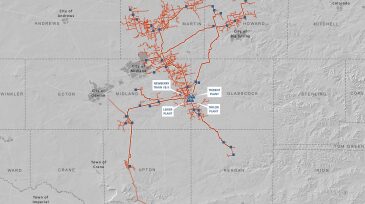
The acquisition gives Enterprise’s natural gas and NGL business an entry point into the Midland Basin.
-
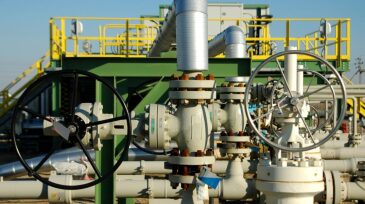
While the world focuses on carbon dioxide—its problems and its uses—many are looking at how to move it around. Fortunately, a pipeline infrastructure already exists. Unfortunately, the pipelines were made for natural gas and not enough is known about how that infrastructure can handle carbon dioxide.