Production

The 2026 Upstream Scale Guidelines establish a common workflow for field measurements, scale modeling, and risk assessment to support more consistent operational decisions.

The long-term outlook analysis says a potential shift toward new construction could push 2026 production 3% above 2025 levels.

Lower operating expenditures and a changing asset mix helped UKCS operators cut average production costs by 9% year over year, despite relatively flat production levels, according to the NSTA.
-
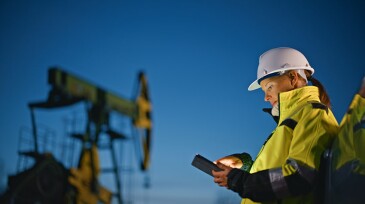
 Advanced tracer technology was deployed in Oklahoma to analyze production across lateral well sections.
 -
Whether it’s reviving inactive gas-condensate wells or identifying overlooked reserves in brownfields, operators are making the most of older wells and fields.
-
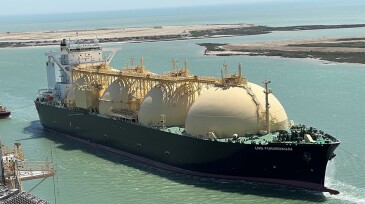
An oversupply of LNG carriers is putting downward pressure on charter rates, pushing them to historic lows. Newbuild LNG carrier deliveries have been outpacing the construction and permitting of new liquefaction facilities needed to support them.
-
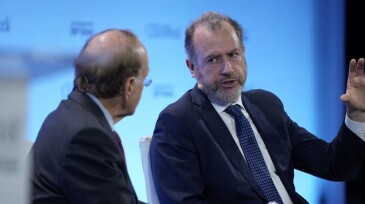
The supermajor believes oil and gas will continue to play a major role in the global energy mix over the next 25 years.
-
The Halten East project in the Norwegian Sea involves fields that if developed independently would be considered too marginal to be economically attractive.
-
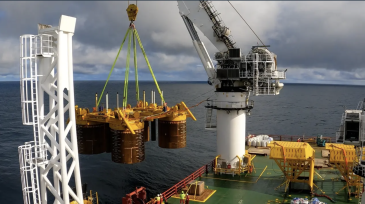
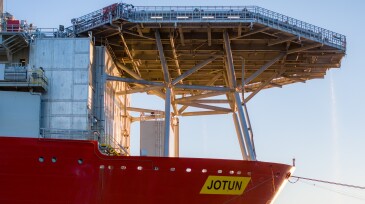
The production unit for the Balder field in the North Sea is expected to go on-stream in the second quarter of 2025 following the staged tow-out of the FPSO.
-
Industry leaders say they believe oil and gas will continue to play a pivotal role in the energy mix in the lengthening energy transition timeline.
-
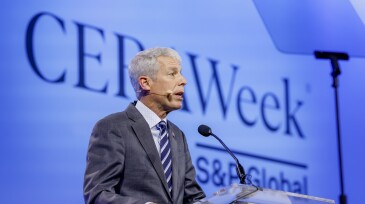
Experts speaking at CERAWeek 2025 lauded industry's shift from focusing on the energy transition to prioritizing oil production.
-
Finalists will present their technologies before the judging panel on 24 March, and the recipient of the award will be announced 25 March during the SPE/ICoTA Well Intervention Conference and Exhibition.
-
Technology and partnerships play a pivotal role in how the oil industry finds and produces energy from frontier regions and brownfields, both now and in the future.