Production

The 2026 Upstream Scale Guidelines establish a common workflow for field measurements, scale modeling, and risk assessment to support more consistent operational decisions.

The long-term outlook analysis says a potential shift toward new construction could push 2026 production 3% above 2025 levels.

Lower operating expenditures and a changing asset mix helped UKCS operators cut average production costs by 9% year over year, despite relatively flat production levels, according to the NSTA.
-
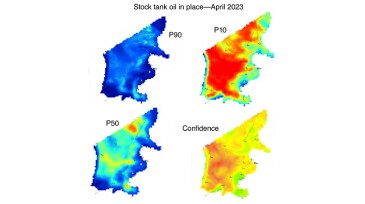
 This paper focuses on the vital task of identifying bypassed oil and locating the remaining oil in mature fields, emphasizing the significance of these activities in sustaining efficient oilfield exploitation.
 -
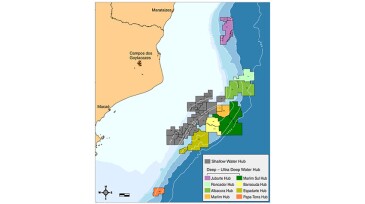
This paper presents an overview of the operator’s Marlim and Voador fields revitalization project, highlighting features and main achievements in the context of Campos Basin redevelopment.
-
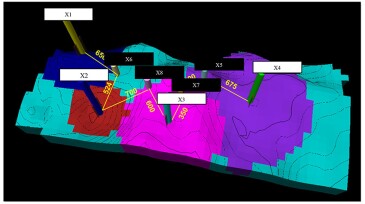
his paper investigates the challenges faced in the development of mature and tight fields, primarily resulting from reservoir depletion, high operational costs, and uncertainty in reserves volumetric calculations.
-
From the papers reviewed, a spectrum of case studies addresses how practitioners are taking on the challenge of extending economic life and revitalization of mature fields through better understanding of the subsurface and adapting existing techniques and technologies in innovative ways.
-
This paper presents a method of geomechanical-risk screening and gives examples of its positive effect on the company’s safety standards through implementation of integrated solutions to prevent or mitigate the risks.
-
This year has been both inspiring and exhilarating in the production and facilities domain, highlighted by a record 269 abstracts. This plethora of ideas fosters industry knowledge and promotes the exchange of innovative solutions driven by engineering advancements and data analytics.
-
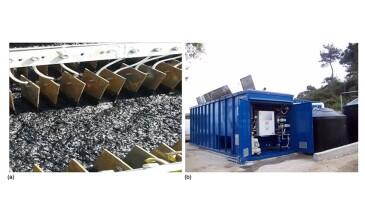
The paper aims to address the challenges and opportunities in managing produced water and its contaminants in the petroleum industry.
-
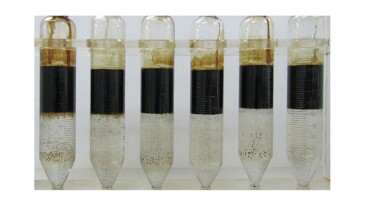
This work investigates a cost-effective and sustainable alternative to acidification for sheen control.
-
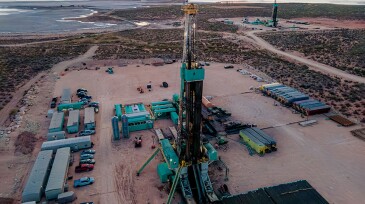
At SPE’s Permian Basin Energy Conference, operators shared behind-the-scenes details on innovations such as drilling horseshoe wells and trimulfrac completions along with in-basin challenges such as handling produced water.
-
The USGS has said up to 19 million tons of lithium resource is contained in the briny waters of the Smackover formation in Arkansas.