Production

The 2026 Upstream Scale Guidelines establish a common workflow for field measurements, scale modeling, and risk assessment to support more consistent operational decisions.

The long-term outlook analysis says a potential shift toward new construction could push 2026 production 3% above 2025 levels.

Lower operating expenditures and a changing asset mix helped UKCS operators cut average production costs by 9% year over year, despite relatively flat production levels, according to the NSTA.
-
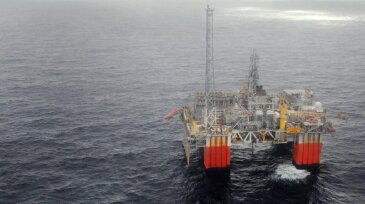
 The Norwegian platform was taken off line as a precaution after an undersea earthquake shook the area.
 -
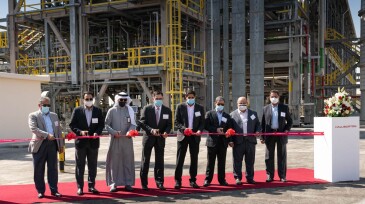
In addition to manufacturing, the facility allows the company to expand its specialty chemicals research and applications for oilfield stimulation and production and better serve the region’s industrial water and process treatment markets.
-
The deal adds 5.5 million BOE of proved and probable reserves.
-
Operator will receive $1.38 billion for cluster of 22 concessions in the Potiguar basin.
-
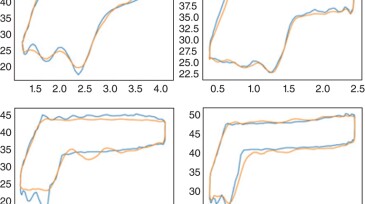
The authors write that the application of electrical parameters to diagnose working conditions and meter production of pumping wells is the key to the low-cost Internet-of-Things construction.
-
Digital technology for orchestrating production-optimization and reservoir-management work flows has been increasingly embedding machine-learning functionality.
-
The principles behind unconventional wells lead to production profiles very different from conventional wells. High initial-production rates drop to much lower rates in a matter of months or a few years. How many in the US are currently considered low-production-rate wells?
-
TotalEnergies, Chevron and others abandon region citing worsening humanitarian situation.
-
The authors of this paper present a method for prediction of sucker-rod-pump failure based on improved, completely connected perceptron artificial neural networks.
-
There are powerful indicators that the transformation of energy markets is accelerating, even though the world should not decrease its focus on stable oil and gas supply. Our industry will continue to play a strong role in the coming decades to provide sustainable energy.