Production

Trafigura will purchase 100,000 metric tons of battery-grade lithium products under a decade-long take-or-pay contract valued at over $2 billion.

The 2026 Upstream Scale Guidelines establish a common workflow for field measurements, scale modeling, and risk assessment to support more consistent operational decisions.

The long-term outlook analysis says a potential shift toward new construction could push 2026 production 3% above 2025 levels.
-
 The service giant and a technology developer from Norway seek to create a broader market for two technologies aimed at lowering topside footprints and improved operational efficiency.
 -
Production has been hampered by subsurface issues most of the year. Gas production fell below the technical threshold of the offshore gas processing plant.
-
New Sarta field well brings gross field production over 10,000 B/D of oil.
-
The world's largest oil company has taken its lumps from 2020 and is ready to look forward to higher oil demand and the coming of a hydrogen market.
-
Economical oil extraction depends largely on reducing wear and tear of downhole equipment and tubulars through regular monitoring and batch treatment to cut the risk of corrosion and costly workovers. Having a data-driven approach to scheduling batch treatment can bring down the frequency of treatment and avoid the unnecessary use of resources.
-
The pairing was instrumental in Expro’s receipt of a multiyear well-intervention services contract for Chevron’s Gorgon development.
-
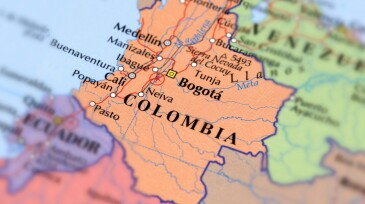
ExxonMobil submitted a proposal to Colombian authorities to develop a hydraulic fracturing pilot project in the Magdalena Basin. Colombia wants to drastically raise its declining reserves-to-production ratio by tapping into shale.
-
With an eye to the future, Interface Fluidics is bringing nanotech to the oil field.
-
Project partnership eyeing an additional 10% recovery from venerable offshore field.
-
Saudi Arabia will keep its voluntary 1 million-barrel cut intact while Russia allowed a small production increase.