R&D/innovation

With funding opportunities improving, developers and researchers are focused on shortening project learning cycles and reducing uncertainty to attract more capital and speed deployment.
By integrating reservoir simulation, probabilistic seismic hazard and risk assessment, and machine learning, this study provides a practical framework for translating complex geoscientific research into evidence-based policy and field operations, achieving measurable reductions in seismic risk indicators in the Groningen gas field.

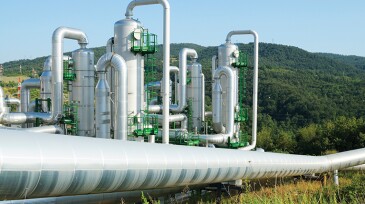
The US Department of Energy has awarded more than $99 million to 21 projects that will advance geothermal development through field-scale testing of next-generation technologies and exploration drilling programs across the US.
-
 The technical section will focus on the transfer of technology and practices from the oil and gas industry to geothermal energy development and promote industry best practices.
 -
It appears to be possible to sense how fractures change during production using ultrasensitive fiber-optic strain measurements.
-
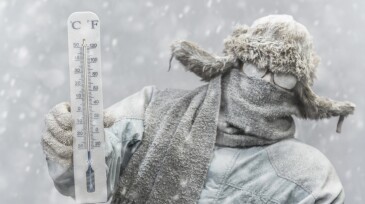
If you’ve lived in areas with cold winters—really cold winters—you’ll applaud this research. It holds the potential to further the goal of decarbonization of the building industry plus improve comfort.
-
The mood in the global oil and gas business is looking up, but the times are changing as reflected in this selection of some of the most-read JPT articles of the year.
-
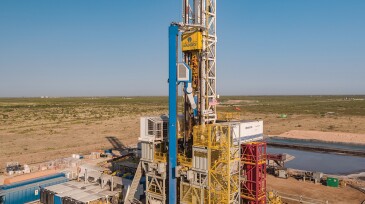
Totally automated drilling today looks like a robot doing all the heavy lifting on a drilling floor. By 2025, there may no longer be anything surprising about it.
-
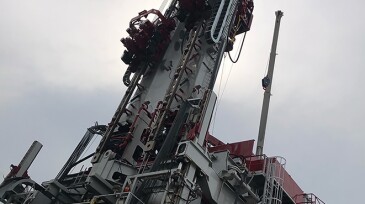
The failure of the Raptor rig to drill its first-ever well offers a short history of the challenges that came with creating the first automated drilling rig.
-
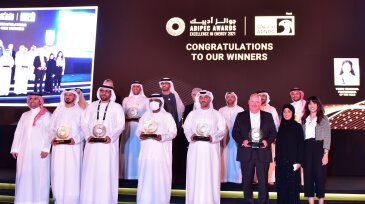
The Abu Dhabi National Oil Company took four of the nine awards presented at the 2021 Abu Dhabi International Petroleum Exhibition and Conference.
-
Winners of the triennial awards will be announced at the 23rd World Petroleum Congress in Houston.
-
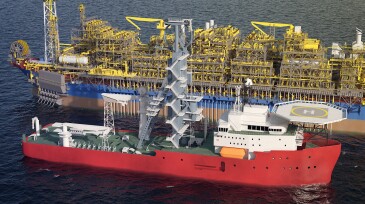
Contractor, operators will work to bring thermoplastic composite pipe (TCP) flowline and riser technology to market.
-
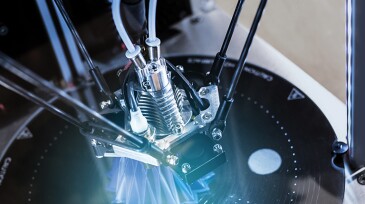
Additive manufacturing can alleviate and avoid long, expensive production shutdowns and reduce supply chain carbon footprints. Key to unlocking this potential is building trust in “printed” parts.