Reservoir

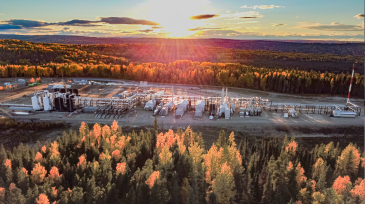
This case study describes how edge computing and industrial internet of things platforms were deployed to automate and optimize production operations across four distinct basins.

This case study presents a procedure in which the operator compared production from wells with adjusted wettability to a control group, finding that the adjustments resulted in significant improvements in production and reductions in produced water.

This year’s selected papers showcase meaningful advances across condensate‑rich tight gas, tight sandstones, and coalbed methane reservoirs, each contributing new tools for improving predictability and field-development efficiency.
-
 This study combines preshear degradation, permeability, and oil presence effects to evaluate and improve polymer injectivity using acrylamido tertiary butyl sulfonate (ATBS) polymer in carbonate rock.
 -
Strathcona doubles down on heavy oil—sells Montney assets for nearly CAD 3 billion, grabs Canada’s top crude-by-rail hub, and sets sights on MEG Energy in bold growth move.
-
This article presents a comparative study evaluating four machine-learning approaches, including three deep-learning methods, for forecasting gas and condensate production over a 5-year horizon.
-
This paper presents a fundamental research study with the main objective of building a mechanistic numerical model that captures the important mechanisms of polymer flooding through various mechanistic equations using a combined reservoir flow and geochemical numerical simulator.
-
US shale producers have stepped up their use of simultaneous fracturing techniques to cut costs and accelerate well delivery.
-
Global majors remain committed to boosting investment in Egypt’s offshore gas production as they eye Cairo’s underutilized LNG capacity.
-
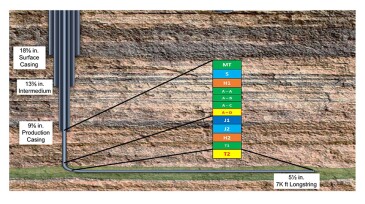
This paper highlights nontraditional methods to cure oil-based-mud losses in horizontal wells drilled in unconventional plays.
-
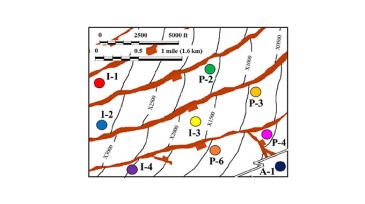
The authors of this paper describe reservoir-fluid-geodynamics processes that explain the reasons behind varying oil compositions and properties within and across different reservoir compartments.
-
Natural gas-powered electric fleets look to pave the way for the next generation of power generation.
-
Field examples from the Bakken Shale and Permian Basin illustrate the benefits of deploying polymer-coated and uncoated scale inhibitors in unconventional wells.