Reservoir

The UAE project is expected to produce up to 345 MMscf/D by 2029, with expansion potential to 1 Bcf/D.

This study investigates the potential for in-situ hydrogen generation from hydrocarbons using in-situ combustion, with particular emphasis on the role of kerogen content and heating mode.

This paper presents the application of degradable particulate-diverter technology to improve oil production by effectively diverting stimulation treatment fluids away from high-water-cut, high-permeability, high-temperature producing intervals or zones.
-
 Houston-based Chord is set to see its daily output increase to a basin-leading average of 287,000 BOE/D.
-
The SPE Oil and Gas Reserves Committee has opened a period for public comments and feedback on the current 2018 PRMS.
-
Long the subject of rumored deals, Endeavor Energy is being snapped up at last in a deal valued at $26 billion.
-
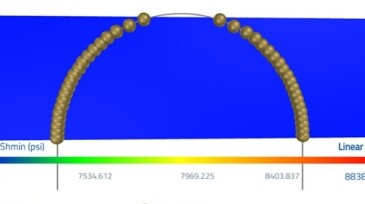
New studies examine whether two innovative well designs should have a bigger role to play in the race to get more value out of tight rock reservoirs.
-
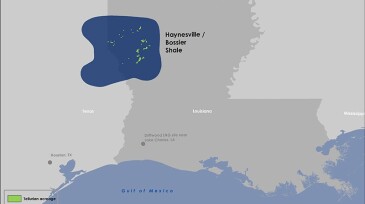
The company looks to focus its efforts on getting phase one of its Driftwood LNG up and running by shedding Haynesville acreage.
-
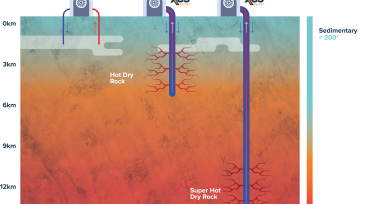
Backed by more than $28 million in fresh investments, XGS Energy is prepping to introduce a new technology called thermal reach enhancement.
-
Executives from BKV Corp. share why the mid-sized natural gas producer is diving headfirst into carbon sequestration projects and why you should too.
-
Recent technical papers have further shown the steady increase in the application of advanced seismic techniques and machine learning to mature to production “stranded” and “advantaged” hydrocarbon-bearing accumulations ; improve carbon capture, storage, and leak detection; and analyze naturally and artificially fractured reservoirs.
-
Well testing has enjoyed a recent uptick in activity and interest as operators continually realize the value in understanding and monitoring the dynamic performance of their reservoirs.
-
Uncertainty comes in all scales and dimensions. This challenges us to learn at all scales possible, from the fume hoods in the laboratory to magnificently exposed outcrops and through deep narrow boreholes that drill through subsurface reservoirs. The combined efforts often convert learnings to actionable intelligence.