Robotics/unmanned systems

Robotic and autonomous systems are transforming energy operations, but their full value emerges only when paired with data science, engineering analytics, and AI/ML to turn data into decisions. The transition of the SPE Robotic & Autonomous Systems Technical Section into the SPE Data Science & Engineering Analytics Technical Section helps bridge this critical technolo…
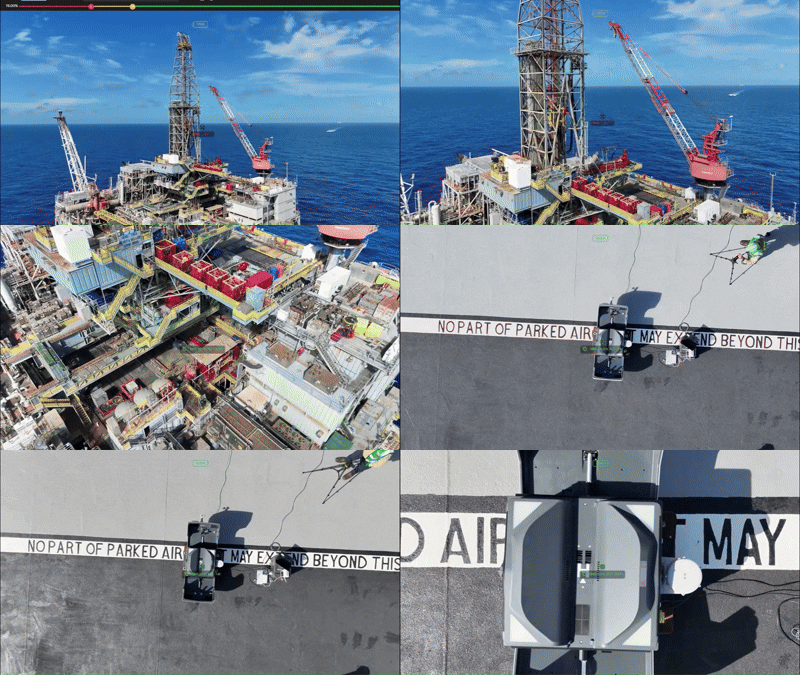
Shell has demonstrated drone-in-a-box operations from its Mars floating production unit, becoming the first operator in the region to secure FAA approval for self-approved offshore beyond-visual-line-of-sight flights. JPT Senior Technology Editor Jennifer Pallanich visited Shell Technology Center Houston to see the system in action.

From AI-enabled walking rigs to subsea drones and autonomous inspection robots, robotics is rapidly moving from pilot projects to field deployment. The technology promises not only greater efficiency but also a fundamental shift in how the industry approaches safety and asset management.
-
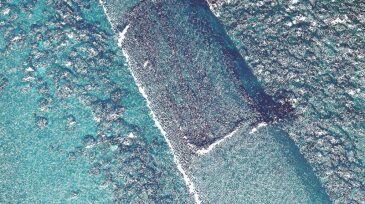
 Researchers with the National Center for Airborne Laser Mapping at the University of Houston are creating a set of algorithms that would allow users to more-precisely align data sets collected at different times and reliably estimate changes between images captured at different times.
-
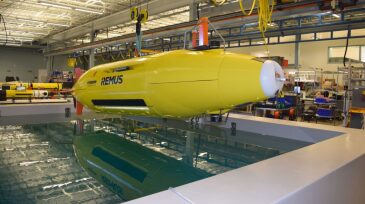
Fugro and SEA-KIT’s partnership will develop unmanned vessels, while HII and Kongsberg will market naval and maritime products.
-
Aker BP showcased the Spot robot recently. Spot will be part of the company's initiative that will explore how robotics systems can be used to make offshore operations safer.
-
The report on unmanned aerial vehicles in industry presents overarching themes and concerns, including navigating regulations, finding the right technology, and finding ways to educate the public about drone operations.
-
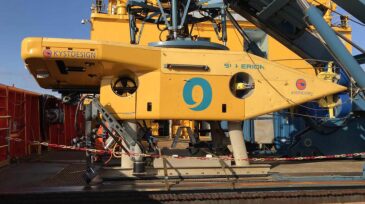
As companies look to reduce the time it takes to inspect a subsea pipeline, as well as the costs involved in the operation, autonomous systems have become a more desirable option. How close are they to becoming the norm?
-
The organization said the new standard, which focuses on air safety and data protection, is the first step in a wider move to promote the use of drones within a framework of approved regulatory compliance.
-
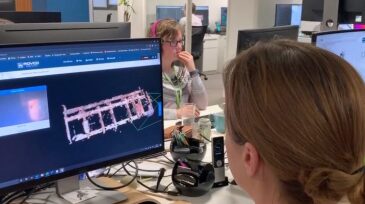
Rovco’s stereo camera technology system sends images and 3D models of assets from the seabed to computer browsers in any location, offering users instantaneous access to information during inspection or construction.
-
The digital transformation is a risky proposition for oil and gas companies adapting to a rapidly changing business environment, but a failure to adapt could spell trouble for the industry.
-
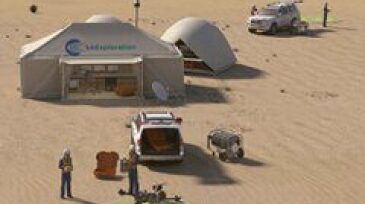
The seismic sensors will be dropped by six autonomous aerial drones and later be retrieved by an unmanned ground vehicle instead of conventional manual deployment and recovery by ground-based teams.
-
Sensors, robots, and artificial intelligence have made their way into a number of areas within the industry, including pipeline inspections. Shell has begun to examine the innovative technologies that could shift the inspection paradigm.