Robotics/unmanned systems

From AI-enabled walking rigs to subsea drones and autonomous inspection robots, robotics is rapidly moving from pilot projects to field deployment. The technology promises not only greater efficiency but also a fundamental shift in how the industry approaches safety and asset management.
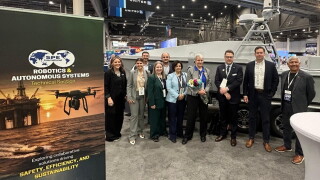
This article from the SPE Robotics and Autonomous Systems Technical Section (RASTS) explores the insights shared at the recent Offshore Technology Conference (OTC) in Houston about autonomous systems and their role in the industry's future.
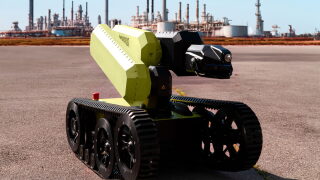
The deployment of a new heavy-duty robotic system aims to reduce workforce exposure to high-risk areas while improving detection of potential leaks.
-
 Ground sensors on assets over a broad area have limited returns on investment if the asset life cycle is less than 10 years, and obsolescence of the technology if it exceeds 10 years. Complementing sensors with aerial remote sensing at scale may help to mitigate these issues.
 -
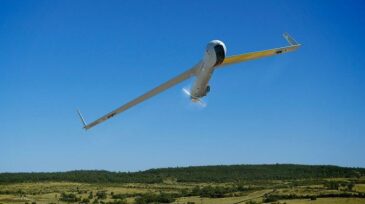
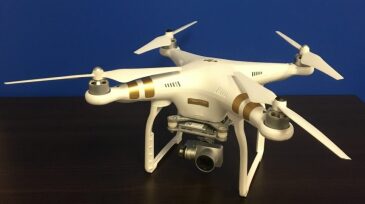
Unmanned aerial systems (UAS) are lightweight, low-cost aircraft platforms operated from the ground that can be outfitted with imaging or nonimaging payloads. UASs offer health, safety, and environment professionals a promising opportunity to reduce risks by keeping people out of harm’s way.
-
Advanced AUVs with early-stage technologies for live streaming, ultrasonic testing, and 3D laser scanning are set to enter inspection trials on North Sea facilities. The aim is to reduce facilities inspection costs by 50%.
-
An 18-month project will develop and trial a mobile robot for autonomous operational inspection of Total facilities.
-
Kotug, a Rotterdam-based marine services company involved with projects such as Shell’s Prelude FLNG and the decommissioning of the Brent Delta topsides, has applied for a patent to use drone technology in its tug operations.
-
The CEO of Houston Mechatronics told an Aramco Innovation Day audience that robotics is at the same point that the Internet and online communication were at in the mid-1990s and will soon become “the iconic technology of this century.”
-
Intel and Cyberhawk released a case study outlining the successful inspection of a gas terminal near the coast of Scotland using commercially available drone technology.
-
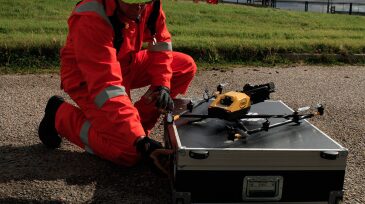
As companies begin examining facilities in the wake of Hurricane Harvey, commercial drones have become a valuable asset in reaching flooded areas too dangerous for people to reach.
-
The classification society's first offshore drone survey was conducted on a semisubmersible used to support Statoil's drilling operations in the North Sea.
-
Robots have the potential to move human operators away from uncomfortable, potentially risky environments and into comfortable, safe control rooms.