Robotics/unmanned systems

From AI-enabled walking rigs to subsea drones and autonomous inspection robots, robotics is rapidly moving from pilot projects to field deployment. The technology promises not only greater efficiency but also a fundamental shift in how the industry approaches safety and asset management.
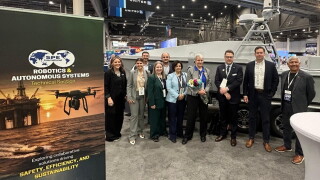
This article from the SPE Robotics and Autonomous Systems Technical Section (RASTS) explores the insights shared at the recent Offshore Technology Conference (OTC) in Houston about autonomous systems and their role in the industry's future.
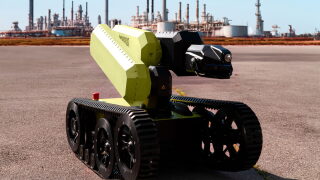
The deployment of a new heavy-duty robotic system aims to reduce workforce exposure to high-risk areas while improving detection of potential leaks.
-
 Operators need to take steps to protect their facilities from drone security breaches by outsiders. The costs an attacker incurs in developing tools to break into and control infrastructure is low compared to the costs an operator incurs in defending against those tools.
 -
General Electric has launched a subsidiary to develop and sell the use of flying, crawling, and swimming drones for inspections in the oil and gas industry, among others, the company announced.
-
Behind the use of most drones and unmanned aerial vehicles is the issue of safely and legally operating beyond the visual line of sight (BVLOS). Jim Cieplak talks about his work with Harris Corporation and BVLOS solutions.
-
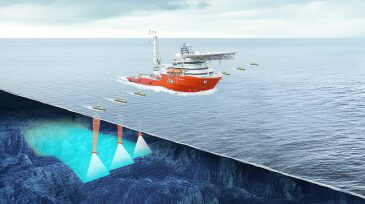
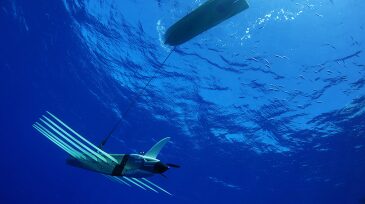
AUVs aren’t limited to inspections and pipeline surveys. Deployment of a flotilla of AUVs to work on a project, and the communication among them, may someday lead to a subsea Internet of Things.
-
SPE’s newly launched technical section will provide a central hub for questions, answers, discussion, collaboration, and networking around unmanned systems for the oil and gas industry.
-
Developments in the emerging technologies of unmanned vehicles are leading to new land, sea, and air applications in the oil and gas industry.
-
A closer look at recent unmanned aerial vehicle (UAV) regulations and sensor technologies shows the areas in which they could have a major impact on oil and gas projects in the future.
-
Griff Aviation, a Norwegian company, developed an octocopter that weighs 165 lb, which the company says can lift a payload of up to 496 lb. The Griff 300 aircraft has eight propellers, each powered by a separate motor. Although it can be manually flown using a radio remote control on the ground, an onboard custom helicopter-cabin mobile control is available for the us…
-
AUVs have evolved from an emerging technology with niche uses to a viable solution and an established part of operations in various marine sectors. Douglas-Westwood’s AUV Market Forecast considers the prospective demand for AUVs in the commercial, military and research sectors over the next 5 years.
-
Autonomous underwater vehicles (AUVs) have demonstrated their capabilities during the search for Malaysian Airlines flight 370 in the Indian Ocean.