Robotics/unmanned systems

Shell has demonstrated drone-in-a-box operations from its Mars floating production unit, becoming the first operator in the region to secure FAA approval for self-approved offshore beyond-visual-line-of-sight flights. JPT Senior Technology Editor Jennifer Pallanich visited Shell Technology Center Houston to see the system in action.

From AI-enabled walking rigs to subsea drones and autonomous inspection robots, robotics is rapidly moving from pilot projects to field deployment. The technology promises not only greater efficiency but also a fundamental shift in how the industry approaches safety and asset management.
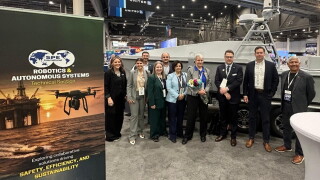
This article from the SPE Robotics and Autonomous Systems Technical Section (RASTS) explores the insights shared at the recent Offshore Technology Conference (OTC) in Houston about autonomous systems and their role in the industry's future.
-
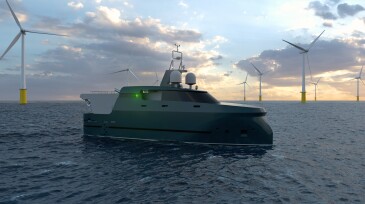
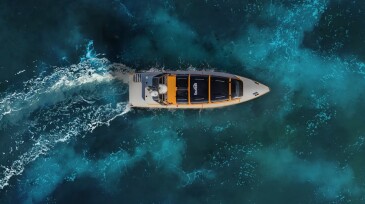
 Norway’s USV joint venture will launch its first unmanned offshore surface vessel in 2025 to support subsea inspection, maintenance, and repairs.
 -
The Swiss-based company Hydromea announced advances in underwater optical modem technology and development of an underwater monitoring system capable of daily data sweeps remotely.
-
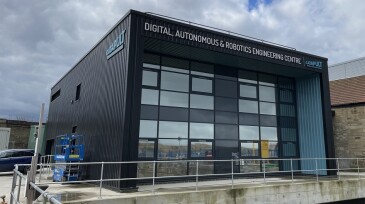
The center will allow developers and researchers to test digital and robotic products and services for offshore renewable energy.
-
The Robotic Supervision System project is expected to bring autonomous cooperation a step closer for oil and gas operators.
-
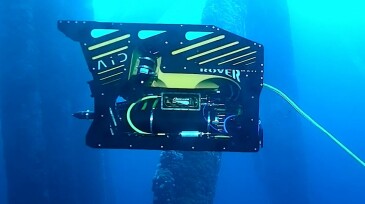
Ocean services provider DeepOcean has mobilized its first autonomous inspection drone and plans to conduct offshore trials for an operator on the Norwegian continental shelf.
-
The new Kongsberg Discovery business area will turn the company’s sensors toward mapping and monitoring the ocean.
-
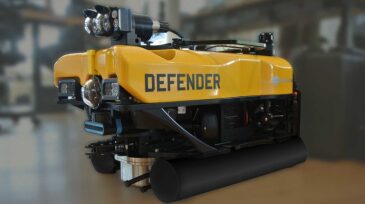
The company’s edge software allowed the remotely operated vehicle to operate autonomously without being tethered to a surface ship.
-
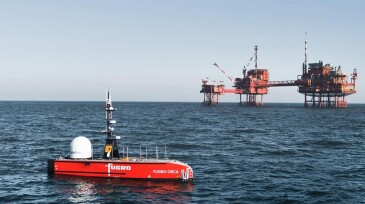
The company used an uncrewed surface vessel and an electric remotely operated vehicle to conduct a survey for TAQA in the North Sea.
-
The emergence of reliable, affordable, and accessible uncrewed systems reveals their potential to play a valuable role in the energy transition.
-
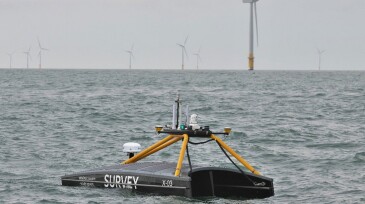
Energy firm Vattenfall has conducted large-scale seabed surveys with uncrewed surface vessels. The company reports positive results, from both climate and safety aspects.