Safety

As drilling operations become increasingly digital, computer vision is emerging as a continuous safety layer that complements, not replaces, established safety practices. The challenge is no longer whether artificial intelligence can detect hazards, but how operators should deploy, integrate, and govern these systems to improve safety without adding operational comple…

From AI-enabled walking rigs to subsea drones and autonomous inspection robots, robotics is rapidly moving from pilot projects to field deployment. The technology promises not only greater efficiency but also a fundamental shift in how the industry approaches safety and asset management.

This paper explores how artificial intelligence (AI), cognitive models, and integrated digital tools can transform readiness from periodic drills into a continuous, measurable capability.
-
 To better protect workers exposed to respirable crystalline silica, OSHA has issued two new standards: one for construction and another for general industry and maritime. OSHA will begin enforcing most provisions of the standard for general industry and maritime on 23 June.
 -
Broadening training to include nontechnical skills can enhance safety and operational performance in a team environment, particularly when decisions crucial to preventing or mitigating a major incident must be taken against the background of an environment that is constantly changing.
-
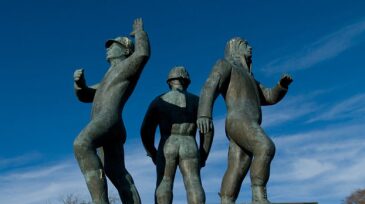
The Piper Alpha incident in the UK North Sea had a profound impact on the development of process safety culture and legislation around the world. With the great crew change already taking place, this column reflects on the disaster to ensure that its lessons are not forgotten.
-
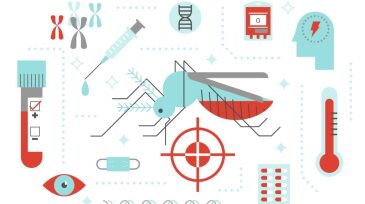
Malaria prevention is critical for multinational companies that operate in areas with a high risk of the disease. A global company has an established workplace malaria-control program that uses awareness, bite prevention, chemoprophylaxis, and early diagnosis to protect the health of workers.
-
The safety and predictability of offshore operations could be greatly improved by a new project that seeks to address the risks posed by human behaviors in the oil and gas industry.
-
On average, the American workplace is more dangerous than the Latvian, Czech, Slovakian, Greek, Portuguese, Spanish, Polish, Hungarian, or Estonian workplace. Considering that the United States has a much higher GDP per capita than all of these countries, this seems unlikely. Yet, it’s true.
-
An improved occupational health and safety system comes into effect on 1 June to better protect Alberta workers and ensure they have the same rights as other Canadians.
-
Sleep deprivation is a workplace health concern that is often ignored. It can decrease productivity as well as be a frequent root cause for many safety incidents, accidents, and damages to property. Employers are often unaware of the effect sleep deprivation can have until a serious incident occurs.
-
Researchers have discovered that genes regulating important biological processes are incapable of adapting to new sleeping and eating patterns and that most of them stay tuned to their daytime biological clock rhythms.
-
When inactivity is largely the result of months and eventually years spent at a desk job or in meetings, could an employer face liability for any serious medical issues that ensue? A recent study from Philadelphia’s Drexel University concluded that—at least for US workplaces—the answer might be yes.