Safety

As drilling operations become increasingly digital, computer vision is emerging as a continuous safety layer that complements, not replaces, established safety practices. The challenge is no longer whether artificial intelligence can detect hazards, but how operators should deploy, integrate, and govern these systems to improve safety without adding operational comple…

This paper explores how artificial intelligence (AI), cognitive models, and integrated digital tools can transform readiness from periodic drills into a continuous, measurable capability.

From AI-enabled walking rigs to subsea drones and autonomous inspection robots, robotics is rapidly moving from pilot projects to field deployment. The technology promises not only greater efficiency but also a fundamental shift in how the industry approaches safety and asset management.
-
 If safety excellence isn't clearly defined and aligned throughout an organization, it won't be achieved.
 -
Millions of workers are exposed to noise in the workplace every day and, when uncontrolled, noise exposure may cause permanent hearing loss. Research demonstrates exposure to certain chemicals, called ototoxicants, may cause hearing loss or balance problems, regardless of noise exposure.
-
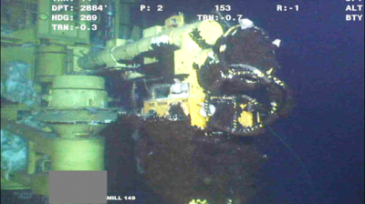
The Bureau of Safety and Environmental Enforcement released the panel investigation report on the 11 May 2016 subsea jumper leak on a platform operated by Shell Offshore. The leak from Green Canyon Block 248 occurred on Subsea Well 4, resulting in an estimated release of 1,926 bbl of oil.
-
US Secretary of the Interior Ryan Zinke announced a series of new initiatives on 6 March to strengthen the federal offshore oil and gas inspection program.
-
States that have made “significant” safety improvements in recent years by incorporating Chemical Safety Board recommendations are highlighted in the agency’s inaugural Safety Spotlight publication.
-
Starving employees are growing too weak for heavy labor, hobbling the refineries that keep the economy running.
-
The Step Change in Safety Human Factors Workgroup strives to improve basic knowledge and understanding of human factors to ensure related risks are managed and controlled properly. The objective of this paper is to highlight the ability to do this proactively through engagement with the workforce.
-
As safety leaders, we have to inspire confidence, passion, and commitment around a safety culture. A big part of that is ensuring that those around us actually view us as legitimate leaders.
-
First and foremost, safety leaders must build relationships of trust with those who look to them for direction and guidance in safety. This is absolutely foundational to getting others on board a safety culture.
-
Proforma Safety International announced a partnership with the Guyanese agency Lomak Energy Services to support the oil and gas sector with safety consulting services.