Safety

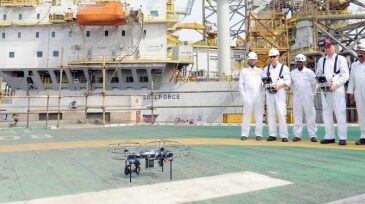
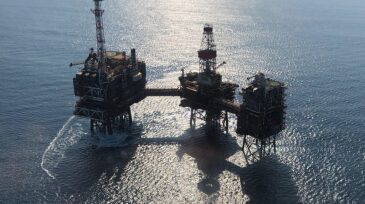
Shell has demonstrated drone-in-a-box operations from its Mars floating production unit, becoming the first operator in the region to secure FAA approval for self-approved offshore beyond-visual-line-of-sight flights. JPT Senior Technology Editor Jennifer Pallanich visited Shell Technology Center Houston to see the system in action.

SPE’s newly renamed Safety Technical Section expands the reach of human factors by integrating safety, risk management, and system resilience expertise while preserving dedicated leadership and technical focus.

As drilling operations become increasingly digital, computer vision is emerging as a continuous safety layer that complements, not replaces, established safety practices. The challenge is no longer whether artificial intelligence can detect hazards, but how operators should deploy, integrate, and govern these systems to improve safety without adding operational comple…
-
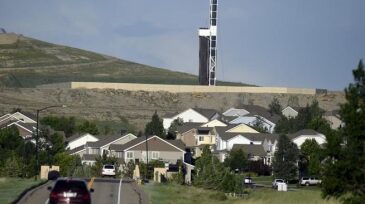
 Colorado officials declared they will toughen their oversight of oil and gas drilling and hydraulic fracturing sites following the release of a multiyear scientific study that found industry operations may expose residents to unhealthy levels of benzene and other chemicals.
 -
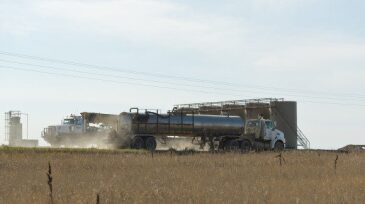
Texas continues to lead the nation in oil and gas production, but communities in the state’s main energy production areas have also seen a rise in deaths on the road accounting for close to half of all traffic fatalities in Texas, according to the state’s transportation department.
-
The objective of this paper is to find a safer and more-efficient method for performing inspections on jack-up legs and inside tanks.
-
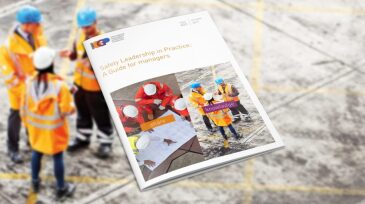
The new report, Safety Leadership in Practice: A Guide for Managers, builds on one released in 2013. Since 2013, the industry has gained a huge amount of experience and insight into how workplace cultures are formed. This document aims to collect and present that insight and experience.
-
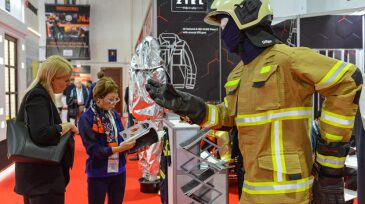
Wearable technology will help drive personal protective equipment growth as the MENA region strives for safer workplaces.
-
Unmanned aerial vehicles are creeping up on ubiquity in the oil and gas industry, but their potential still firmly outweighs the actuality. A panel at the 2019 SPE Annual Technical Conference and Exhibition took a close look at the benefits of drones and at the tethers still holding back their use.
-
Most of you know the value of data in safety management systems. However, a lot of safety management systems mainly show the number of incidents or days without injuries. To really start adding value to the company, it is important to analyze the data and find out where important trends are.
-
Serica Energy has become the first operator to digitize safety in the North Sea after signing a deal to adopt the Restrata Platform, a piece of technology that provides real-time monitoring of people and assets.
-
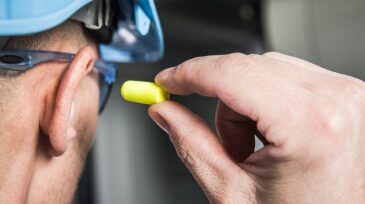
Hearing loss is prevalent in workers in the mining and oil and gas extraction sectors. Approximately 61% of workers in mining and oil and gas extraction have been exposed to hazardous noise levels on the job, according to a study published in the American Journal of Industrial Medicine.
-
Equinor is working on a natural language processing tool that could combine data sources and help planners anticipate the issues that affect onsite operational safety.