SPE News

These awards recognize those members who have contributed exceptional service and leadership to the Society, as well as those who have made major professional contributions to their technical disciplines at the regional level.

Twelve young professionals in the energy industry will join the board.

This article from the SPE Artificial Lift Technical Section highlights a positive reality of our industry, one that centers on connecting and collaborating for success.
-
 PetroWiki is moving to OnePetro, bringing all SPE resources together in one trusted, easily navigable location.
 -
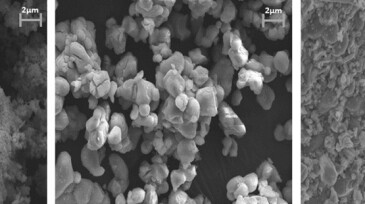
This paper investigates the effect of calcium oxide as an expansive agent on the performance of geopolymer-based sealing materials, with successful application in oil and gas wells at shallow depths.
-
Richard (Dick) Nelson, SPE, passed away 12 September 2024 in Ketchum, Idaho, at the age of 95. After receiving a PhD in chemistry from the University of Washington in 1954, he moved to California and started at Shell’s Martinez refinery. He also worked at Shell Development Company’s Emeryville Central Research Laboratory before moving to the company’s head office in M…
-
This section lists with regret SPE members who recently passed away.
-
This month’s column offers a review of the perceived quality of SPE's publications and how this perceived quality could affect the value and impact of SPE's generative AI deliverables. Quality can be subjective, so this column focuses on key publication indicators before assessing remedial options in a future column.
-
This polymer retention study examines temperature effect on an ATBS-based polymer, using single- and two-phase retention studies and different analytical methods in the presence and absence of oil.
-
As the year winds down, we’re filled with gratitude for your incredible support and involvement.
-
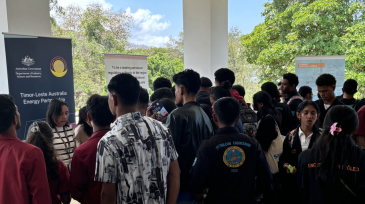
SPE Western Australia held an inaugural career fair in Dili with more than 200 students in attendance.
-
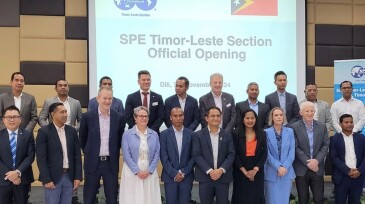
The SPE Timor-Leste Section officially launched on 7 November with a celebration of 200 guests and an array of dignitaries across a range of industries.
-
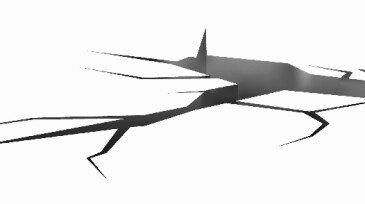
A novel approach uses the heart-shaped signal in low-frequency distributed acoustic sensing measurements to estimate the hydraulic fracture tip distance before the hydraulic fracture intersects the monitor well, offering critical insight into the characterization of hydraulic fracture propagation.