SPE News

These awards recognize those members who have contributed exceptional service and leadership to the Society, as well as those who have made major professional contributions to their technical disciplines at the regional level.

Twelve young professionals in the energy industry will join the board.
This article from the SPE Artificial Lift Technical Section highlights a positive reality of our industry, one that centers on connecting and collaborating for success.
-
 The 2-day conference features over 150 speakers from more than 30 countries.
 -
SPE's Board of Directors is seeking member comments on proposed changes to the bylaws related to elections.
-
2012 SPE President Ganesh C. Thakur was profiled by the Texas Academy of Medical, Engineering, Science, and Technology which recently appointed him as board treasurer.
-
Strong technical program highlights innovations and skills needed for energy diversity.
-
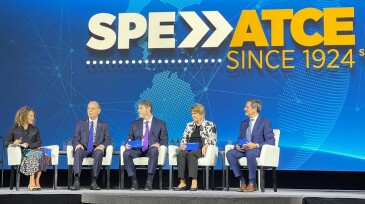
The SPE Annual Technical Conference and Exhibition kicked off with an in-depth discussion of the challenges facing the oil and gas industry, including the energy transition and the industry’s role in it.
-
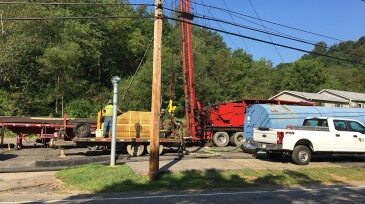
Bob Pearson shares his thoughts on the repurposing or abandonment and decommissioning of wells that are unlikely to be repurposed or pose an environmental risk with emissions into the atmosphere or aquifers.
-
Each year during its Annual Technical Conference and Exhibition, SPE honors members whose outstanding contributions to SPE and the petroleum industry merit special distinction. Recipients will be recognized at the Annual Awards Banquet on Tuesday, 4 October.
-
Petroleum engineers have important roles to play in the future energy for the world. Among these are using our traditional concept of producing oil and natural gas as we are doing now and will need to continue to do for decades to come; using our competencies to address the challenges of climate change; and helping to develop additional forms of energy that do not add…
-
This section lists with regret SPE members who recently passed away.
-
Every year, SPE recognizes members who have made an exceptional effort to ensure the technical excellence of the Society’s peer-reviewed journals. For their contributions, the following individuals are recipients of the 2022 Outstanding Technical Reviewer Award.