Offshore/subsea systems

Shell has demonstrated drone-in-a-box operations from its Mars floating production unit, becoming the first operator in the region to secure FAA approval for self-approved offshore beyond-visual-line-of-sight flights. JPT Senior Technology Editor Jennifer Pallanich visited Shell Technology Center Houston to see the system in action.

This paper explores the application of a modular, high-temperature gas-cooled nuclear reactor to a Very Large Crude Carrier-class floating production, storage, and offloading vessel.

This paper describes the potential of combined-cycle technology (use of a gas turbine and a steam turbine together to turn fuel into electricity) in offshore carbon-capture applications.
-
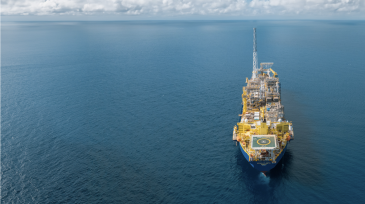
 The first two wells at Brava Energia’s Atlanta field are producing, with four more to be connected this year.
 -
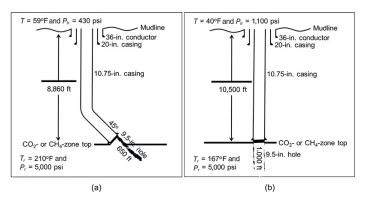
In this paper, a dynamic multiphase-flow simulator is used to evaluate the effectiveness and suitability of using a subsea capping stack to respond to a CO₂ well blowout.
-
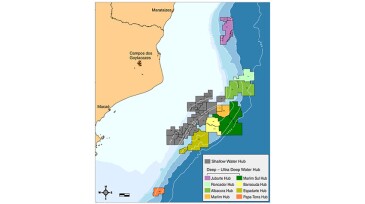
This paper presents an overview of the operator’s Marlim and Voador fields revitalization project, highlighting features and main achievements in the context of Campos Basin redevelopment.
-
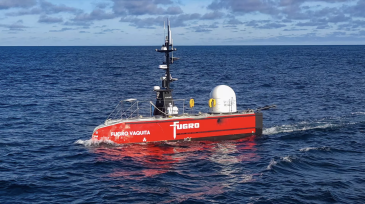
The planned use of an uncrewed surface vessel to inspect shallow-water infrastructure for Petrobras follows a previous remote operation survey for the operator.
-
First oil from Beacon Offshore’s Shenandoah is on track for the second quarter of 2025. Project partners also have sanctioned a second phase of development and are advancing plans for a related project.
-
Deepwater subsea tieback expected online by the end of the decade, targeting more than 300 million BOE.
-
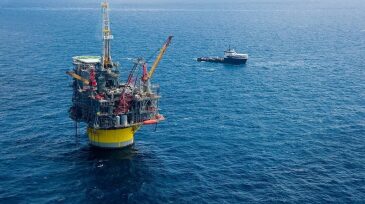
Supermajor reached a final investment decision on a two-well subsea development to be hosted by the Perdido spar platform in the deepwater Gulf of Mexico.
-
The grant was awarded by the Scottish Funding Council in partnership with Scottish Enterprise to assist in developing an AI demonstrator to optimize subsea decommissioning.
-
Underwater robots that can predict waves in real time could reduce the cost of producing offshore renewable energy, a study suggests.
-
If the find is commercially viable, the company and its partners say a subsea-to-shore development plan could produce first gas as early as 2027.