Offshore/subsea systems

Production has begun at the company’s fifth FPSO-based development offshore Guyana just days after it sanctioned what will become its eighth project in the prolific Stabroek Block.

New rules requiring Mozambique’s LNG industry to supply 25% of production to the domestic market could stabilize gas deliveries to South Africa’s Secunda industrial center as the Pande and Temane gas fields near depletion.

Industry forecasts point to increasing upstream expenditure and production, even as geopolitical volatility and smaller discoveries challenge project economics.
-
 Technip Energies will work on a backlog comprising more than 50% in LNG-related business. Retaining the TechnipFMC name, RemainCo will generate nearly 90% of its revenue outside the US and Canada.
-
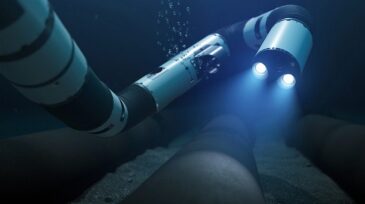
Subsea advancements in the works include longer tiebacks, an underwater drone that lives on the seafloor, and a robotic manifold capable of actuating dozens of valves. Do these new capabilities, born of necessity, signal a sea change in industrywide technology development?
-
The company’s new approach is designed to cut the time required to generate optimal subsea field layouts.
-
After seeing a significant increase in the price level for subsea equipment, Equinor says it is realizing the ways in which standardized subsea templates help build financial competitiveness. The new standard allowed for the installation of 14 templates in one month.
-
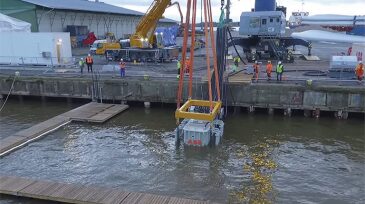
The completion of the subsea installation marks another major step for one of several projects scheduled to tie back to the Gjøa platform in the Norwegian North Sea. Production for the Wintershall Dea-operated project is expected to start up in 2021.
-
In a $60 to $70 oil environment, the subsea market is poised to grow around 7% annually up to 2025. But a significant portion of this activity is at risk if the price of Brent crude falls to $50 per barrel.
-
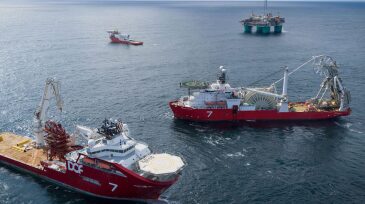
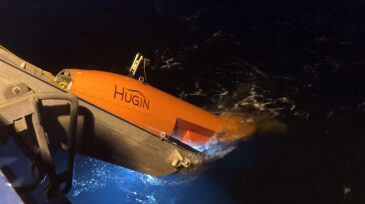
The subsea operations company said its most recent campaign is the first fully unmanned offshore pipeline inspection completed “over the horizon,” surveying up to 100 km from the shore.
-
The subsea tieback is expected to start up in 2021. This is Shell’s second major development on a tieback in the US Gulf of Mexico, following Kaikias’ startup in May.
-
The complete paper highlights elements of the technical development and an overview of the primary building blocks of the system, and presents in detail some of the challenges in developing, designing, and testing the control system.
-
Subsea completions for gathering hydrocarbons from subsea wells have demonstrated both environmental and economic benefits for offshore oil and gas projects. Barriers and opportunities for expanded use of subsea completions involve both technological and regulatory issues.