Offshore/subsea systems

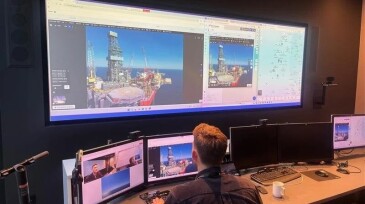
Shell has demonstrated drone-in-a-box operations from its Mars floating production unit, becoming the first operator in the region to secure FAA approval for self-approved offshore beyond-visual-line-of-sight flights. JPT Senior Technology Editor Jennifer Pallanich visited Shell Technology Center Houston to see the system in action.

This paper explores the application of a modular, high-temperature gas-cooled nuclear reactor to a Very Large Crude Carrier-class floating production, storage, and offloading vessel.

This paper describes the potential of combined-cycle technology (use of a gas turbine and a steam turbine together to turn fuel into electricity) in offshore carbon-capture applications.
-
 With the right infrastructure and interoperability, subsea resident robotics could unlock more frequent, cost-effective inspections—and a new standard for offshore efficiency.
 -
Emerging solutions could solve current subsea pain points, while a new taxonomy system could clarify the capabilities of the expanding domain of underwater vehicles.
-
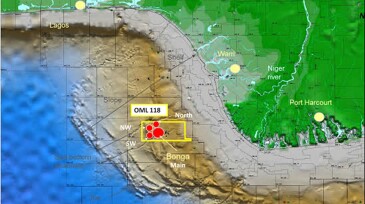
This paper discusses the journey of the Bonga North project, highlighting challenges and resolution strategies in a constantly changing deepwater environment.
-
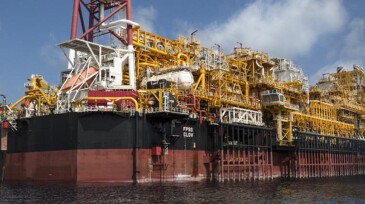
The Begonia and CLOV Phase 3 subsea tiebacks are each sending production to nearby FPSOs.
-
Shell became the first international company to operate producing fields offshore Brazil and the first to navigate the country’s complex and detailed decommissioning permitting process, which involved extensive environmental assessments, regulatory approvals, and coordinated stakeholder engagement.
-
North Sea tieback to the Troll C platform could begin production by the end of 2029.
-
The field, which holds the first production license on the Norwegian Continental Shelf, sent oil to the Jotun FPSO on 23 June.
-
Less than 3 months after going onstream, the Barents Sea project, the northernmost production offshore Norway, is producing 220,000 B/D.
-
The company has installed an autonomous drone system on Aker BP’s Edvard Grieg platform in the North Sea, enabling frequent, remote inspections from shore.
-
This paper describes the use of coiled tubing in a pilot project for carbon dioxide injection, enabling evaluation of the conversion of an existing oil field for CCS purposes and derisking storage-development uncertainties before having to cease hydrocarbon production.