Offshore/subsea systems

This paper explores the application of a modular, high-temperature gas-cooled nuclear reactor to a Very Large Crude Carrier-class floating production, storage, and offloading vessel.

This paper describes the potential of combined-cycle technology (use of a gas turbine and a steam turbine together to turn fuel into electricity) in offshore carbon-capture applications.

This paper uses the structural-integrity-management framework to evaluate the current structural integrity of chosen platforms, highlighting their potential and limitations for carbon capture, use, and storage purposes based on in-service assessments.
-
 Offshore project execution enhancement ideas are highlighted for debottlenecking, gas-hydrate-induced pipeline vibration, and the design of subsea systems for efficient startup.
 -
The workflow aims to reduce the startup time of a subsea production system (SPS). A dynamic integrated model is used to adjust the scheduled SPS startup time. The model evaluates the dynamic simulation response of a large field startup by integrating a reservoir- and gathering-network model.
-
The shutting in of unprofitable offshore wells and the requirements for their plugging and abandonment is attracting more attention to what is being done with the associated subsea equipment. The benefits of leaving subsea systems in place vs. recovering them are being considered.
-
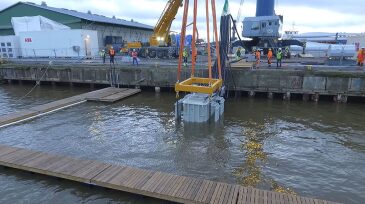
A JIP turned the dial closer to achieving all-electric subsea processing with the underwater testing of a subsea variable speed drive in a harsh water environment.
-
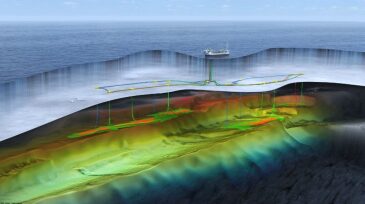
Statoil has submitted a long-awaited development plan for what will become Norway’s northernmost development.
-
Obstacles remain to keeping offshore development competitive with its onshore counterpart. Can the industry advance technology at a pace where the subsea segment will see a resurgence?
-
Since the Macondo disaster, industry publications have discussed the equipment, connections, and interfaces needed for capping and containing a blowing subsea well, but they give little insight into developing a well-specific subsea capping contingency plan.
-
McDermott announced a letter of award for a contract from Reliance Industries for the deepwater KG-D6 subsea field development in the Krishna Godavari Basin.
-
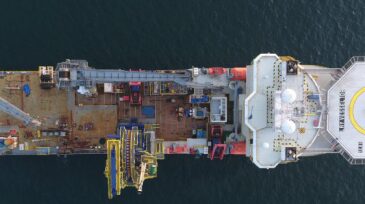
Baku Shipyard completed the sea trials of BP's subsea construction vessel Khankendi, which is being constructed for the Shah Deniz Stage 2 project.
-
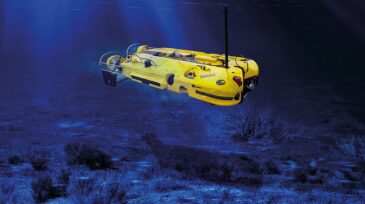
WiSub will lead a consortium with Statoil, Kongsberg, Saab, and other companies and universities to develop a standardized interface for AUV docking with subsea structures, as well as bi-directional power transfer to help charge sensor networks.