Offshore/subsea systems

This paper presents a flexible, highly cost- and energy-efficient method of gas separation and CO₂ capture from many different gas mixtures with a large range of CO₂ concentrations.

This work introduces a novel predictive methodology combining historical metocean data with real-time riser analysis for shallow water dynamically positioned rig operations.

This paper documents the testing, integration, and field deployment of a metal expandable packer used as an openhole toe isolation plug in a deepwater well under high-pressure, high-temperature conditions.
-
 Operator or manufacturer’s reports and published papers are reviewed and a criterion is developed for subsea pump selection.
 -
Production from an offshore Angola field has been decreasing because of subsea pressure declines amid water-cut increases and limited gas compressor capacity. The development process leading to the selection of high-boosting multiphase pumps is described.
-
Currently, the state of the art for subsea well control is based on hydraulic technology. Hydraulic fluid is supplied from a host facility to the subsea wells through dedicated tubes within an umbilical and is distributed to the wells.
-
Hurricane Energy is still on pace for first oil in 2019 for the Lancaster field, which may lead to more significant development in the UK North Sea.
-
The steel pipe manufacturer agrees to deliver outer pipes for pipe-in-pipe flowlines for a pair of recently-announced Aker BP projects in the Norwegian Sea.
-
Completion of the umbilicals system marks another step toward startup for the Total-operated ultradeepwater development offshore Angola.
-
Offshore project execution enhancement ideas are highlighted for debottlenecking, gas-hydrate-induced pipeline vibration, and the design of subsea systems for efficient startup.
-
The workflow aims to reduce the startup time of a subsea production system (SPS). A dynamic integrated model is used to adjust the scheduled SPS startup time. The model evaluates the dynamic simulation response of a large field startup by integrating a reservoir- and gathering-network model.
-
The shutting in of unprofitable offshore wells and the requirements for their plugging and abandonment is attracting more attention to what is being done with the associated subsea equipment. The benefits of leaving subsea systems in place vs. recovering them are being considered.
-
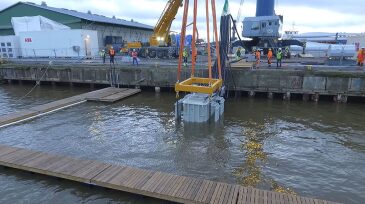
A JIP turned the dial closer to achieving all-electric subsea processing with the underwater testing of a subsea variable speed drive in a harsh water environment.