Sustainability
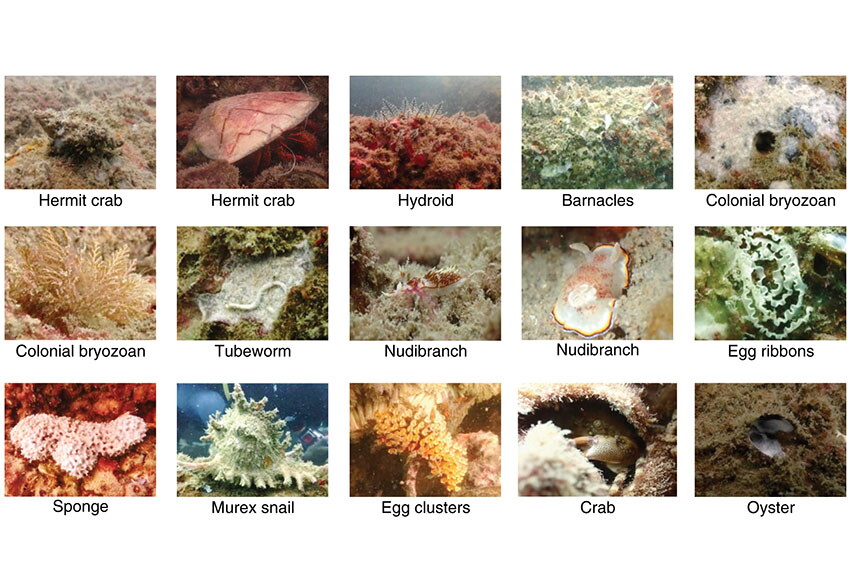
This paper reviews a proof-of-concept project in which surplus casing pipes were used in the fabrication of purposefully designed artificial reef structures for the enhancement of biodiversity and commercial fisheries.

This paper explores the development of direct-lithium-extraction technologies designed to recover lithium from unconventional feedstocks.

This study applies Monte Carlo simulation and an XGBoost regression model to assess the influence of various formations, geologic provinces, tectonic-plate types, and boundary conditions on hydrogen concentrations.
-
 Has your company or organization invested in carbon offsets? Carbon offsets are proving an important tool for companies that want to reduce the effect of their carbon footprint.
 -
Global, multinational companies often make commitments for local infrastructure as a condition to do business in host countries.
-
What is circular economy? A recent multisector symposium on sustainability explored the role of circular economy in bringing about a sustainable future.
-
The City Council of Lafayette, Colorado, on 17 January voted to table an anti-hydraulic-fracturing ordinance that could impede oil and gas development within Lafayette through sanctioning acts of civil disobedience and nonviolent protest.
-
As governments around the world seek to lower energy consumption in the wake of the low oil price environment, the 2016 SPE President said the industry must be proactive in ramping up its sustainability efforts.
-
There is widespread acceptance that extraction industries—including oil and gas—improve people’s lives and enable the economic growth of countries. However, at the project level, this acceptance is neither automatic nor unconditional.
-
The oil and gas industry must learn to engage with local citizens better if it is to build upon its social license to operate. A joint PFC/HSE luncheon during ATCE addressed this topic.
-
Nontechnical risks, primarily around HSE or social responsibility, increasingly pose risks to project timelines. To manage these risks, companies are seeking systems that can ensure quality performance in these operational areas.
-
Corporate social responsibility (CSR) programs are a critical part of oil and gas project development. As companies continue to work in more densely populated communities, they have become better at working with local authorities to protect the interests of the people their operations affect.
-
Public perception is one of the most important variables in determining the success of oil and gas operations, and companies must do more to help shape this perception.