Unconventional/complex reservoirs

The UAE project is expected to produce up to 345 MMscf/D by 2029, with expansion potential to 1 Bcf/D.

This study investigates the potential for in-situ hydrogen generation from hydrocarbons using in-situ combustion, with particular emphasis on the role of kerogen content and heating mode.

This paper presents the application of degradable particulate-diverter technology to improve oil production by effectively diverting stimulation treatment fluids away from high-water-cut, high-permeability, high-temperature producing intervals or zones.
-
 A new plan to secure electricity for the powerhouse of Texas oil and gas will cost billions of dollars to achieve.
-
New names and new deals continue to reshape the US shale sector.
-
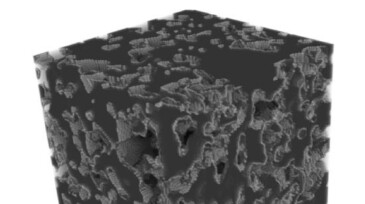
This paper presents a novel modeling framework for predicting residual oil saturation in carbonate rocks. The proposed framework uses supervised machine learning models trained on data generated by pore-scale simulations and aims to supplement conventional coreflooding tests or serve as a tool for rapid residual oil saturation evaluation of a reservoir.
-
One hydraulic fracturing job can stimulate two wells, but economic success hinges on doing it in the right place for the right price.
-
This paper presents a multidisciplinary view of the evolution of a development project for the central area of Sururu and the method applied to address challenges and propose solutions.
-
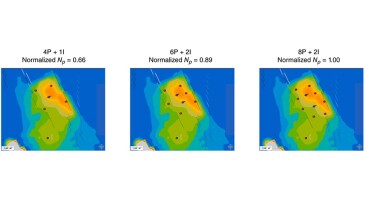
This paper assesses the potential of augmented depletion development in four US plays: Bakken, Eagle Ford, Midland, and the Anadarko Basin.
-
Rig counts are down since 2023, but well productivity is marching forward.
-
The deal comes only weeks after the private equity firm purchased a natural gas-fired plant operator.
-
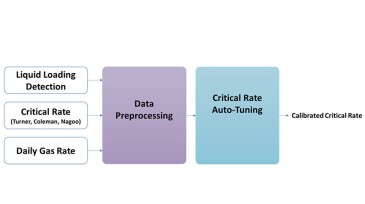
This paper describes a data-driven approach for liquid-loading detection and prediction that harnesses high-frequency gas-rate and tubinghead-pressure measurements to identify the onset of liquid loading and correct critical rates computed by empirical methods.
-
This paper outlines the importance of numerical rate transient analysis for dry gas wells, describing a simple, fully penetrating planar fracture model.