Unconventional/complex reservoirs

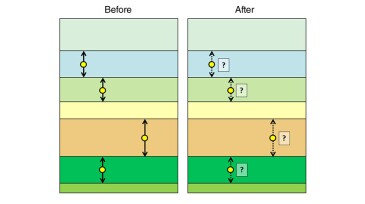
This work applies fuzzy logic, a well-established artificial-intelligence technique, to quantitatively assess connectivity between injectors and producers in a giant presalt field in the Santos Basin of Brazil.

Disposal wells remain the lowest-cost solution for produced water, but concerns over seismicity and long-term sustainability are accelerating interest in alternatives.

With a strong presence across US shale in the Bakken, Anadarko Basin, Powder River Basin, and the Permian, Continental Resources is expanding into Argentina’s Vaca Muerta shale as the privately held E&P giant pursues international growth.
-
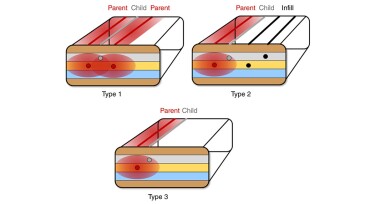
 The authors of this paper analyze a robust, well-distributed parent/child well data set using a combination of available empirical data and numerical simulation outputs to develop a predictive machine-learning model.
 -
This paper summarizes a collaborative industry study to compare observations between shale-play data sets and basins, develop general insights into parent/child interactions, and provide customized economic optimization recommendations.
-
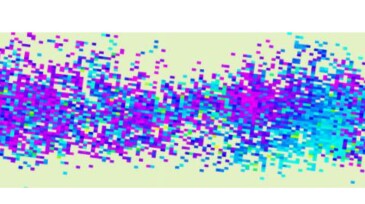
In this paper, example machine-learning models were trained using geologic, completion, and spacing parameters to predict production across the primary developed formations within the Midland Basin.
-
New studies are a reminder that the effort to identify, classify, and nullify frac hits remains paramount to the future of the unconventionals business.
-
North Dakota's EERC argues that the suboptimal frac jobs of yesterday explain why fracture interactions boost production in the tight-oil play.
-
Thailand's coal mining giant Banpu said it has signed an agreement to launch a third carbon capture and sequestration project in the US.
-
The transaction will add significant high-quality inventory offset to Permian Resources’ existing core acreage in New Mexico.
-
The acquisition of Crestwood Equity Partners extends Energy Transfer’s position deeper into the Williston and Permian basins and provides entry into the Powder River Basin.
-
The challenge of sustaining shale production is growing larger.
-
Calgary's Strathcona Resources is adding 35,000 BOE/D in a deal that will boost its total output to 185,000 BOE/D.