Unconventional/complex reservoirs

This work applies fuzzy logic, a well-established artificial-intelligence technique, to quantitatively assess connectivity between injectors and producers in a giant presalt field in the Santos Basin of Brazil.

Disposal wells remain the lowest-cost solution for produced water, but concerns over seismicity and long-term sustainability are accelerating interest in alternatives.

With a strong presence across US shale in the Bakken, Anadarko Basin, Powder River Basin, and the Permian, Continental Resources is expanding into Argentina’s Vaca Muerta shale as the privately held E&P giant pursues international growth.
-
 The authors of this paper review the advantages of machine learning in complex compositional reservoir simulations to determine fluid properties such as critical temperature and saturation pressure.
 -
This paper highlights an approach of using active hydrogen to stimulate hard-to-recover formations from candidate-well selection through pilot execution and evaluation.
-
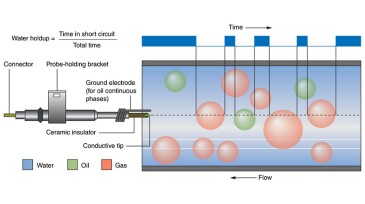
This study describes a technique combining borehole acoustic reflection imaging with production logging in a horizontal well experiencing high water cut with the aim of enabling a mitigation plan.
-
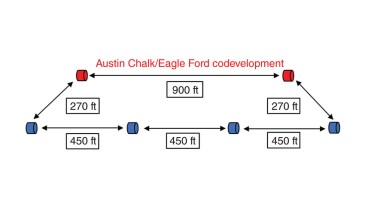
The authors investigate the utility of applying unconventional technology to low- or variably producing carbonate reservoirs to increase estimated ultimate recovery and decrease development-scale variability.
-
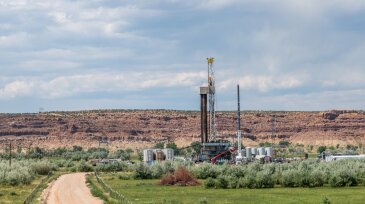
The acquisition underscores the rapid rise of the unconventional oil play in northeastern Utah that producers claim offers better margins than the Permian Basin.
-
Pilots and papers are plentiful, but the shale sector has no big enhanced oil recovery projects to speak of. It may just have to stay that way for a while.
-
Operators tell an audience at the Unconventional Resources Technology Conference how a hybrid expandable liner system and machine-learning-based analysis improve the bottom line.
-
After another year of significant consolidation in the US shale sector, Enverus has released its annual list of the nation's largest private exploration companies.
-
Machine learning is refining gas lift production optimization with scalable automated workflow.
-
The Permian’s produced-water challenge presents an opportunity for innovation to pave the way toward a more sustainable future for the industry.