

extended reach wells
-
 This paper presents a novel approach to overcoming extended-reach limitations in coiled tubing interventions by using a split-string system, demonstrating measurable improvements in reach and operational speed in laterals exceeding 3 miles.
 -
This case study from SLB and offshore producer PRIO describes the longest openhole section in Latin America with the highest extended-reach drilling ratio in Brazil’s history.
-
This paper establishes that the use of a dual-gradient fluid column during the running of large casing in an extreme-reach deepwater well is an effective method to overcome drag and enable the casing to reach total depth.
-
In this paper, a case study is described in which a software solution enabled prescriptive optimization of well delivery using a physics-informed machine-learning approach for predictive identification and characterization of well-construction risks.
-
This paper describes the integration of iterative torque/drag/buckling and hydraulic simulations for multiple tapered string combinations, the results of which guided the selection of a string configuration that deemed planned well total depths feasible.
-
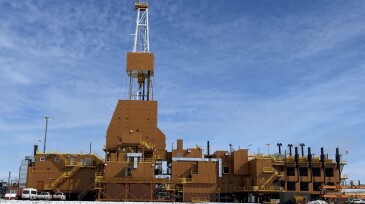
The Doyon 26 drilling rig, reportedly the largest mobile land rig in North America, fell on its side while being transported in Alaska’s North Slope, sending eight people to area clinics for treatment of non-life-threatening injuries.
-
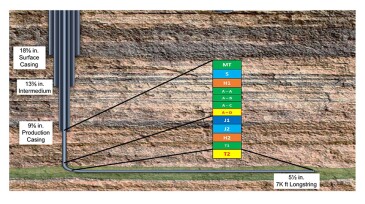
This paper describes an alternative lower-completion concept for developing Lower Wilcox reservoirs referred to as high-angle multifractured well design.
-
This paper highlights nontraditional methods to cure oil-based-mud losses in horizontal wells drilled in unconventional plays.
-
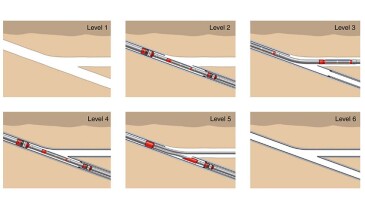
This paper highlights the continuous improvement of multilateral technology used in the Middle East by demonstrating how the application of a multilateral well strategy is a proven and reliable method to reduce time-intensive operations.
-
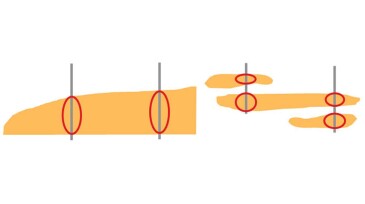
The authors of this paper write that the use of high-angle wells through anisotropic shale formations represents a promising approach to improving oil recovery while reducing the overall number of wells required.


Page 1 of 4