Testing page for app
-
 Public and government concern over unconventional oil and gas production continues.
 -
Tight formations are candidates for hydraulic fracturing as the default. However, the solubility of carbonate by various chemicals provides opportunities to extend the well drainage radius effectively without the intensive equipment, material, and infrastructure demand of hydraulic fracturing.
-
We have seen in recent years many technological advancements in tubular-manufacturing technology. Tubulars also have become part of the data-transmission network and slowly will converge with the data-handling and data-transmission systems.
-
Significant production gains are being made with hydraulicly fractured wells using diversion to stimulate a higher percentage of the perforations.
-
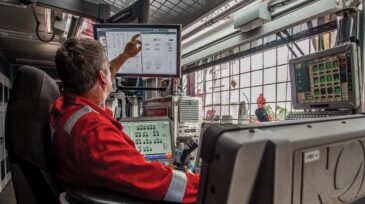
A new process system compatible with all types of drilling rigs is opening the door to wider adoption of drilling automation in North America’s shale sector.
-
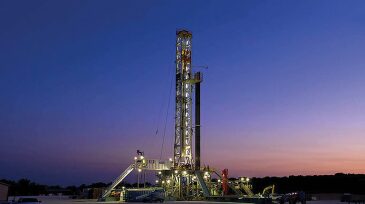
There is increasing interest in drilling the Austin Chalk formation, with hopes that the latest unconventional development methods can deliver a boom in a play that has seen several over a 90-year history.
-
The implementation of chemical EOR has proven successful but the method faces significant technical and financial challenges.
-
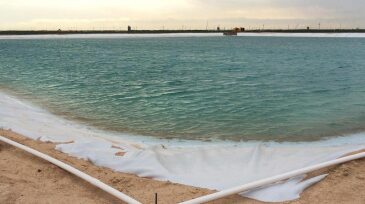
As oil prices recover from the low point of the downturn, operators in the Permian and the Bakken are tackling water management issues.
-
Canadian regulators are formally proposing rules to reduce methane pollution from the oil and natural gas sector.
-
The Environmental Protection Agency (EPA) has halted an Obama administration rule to cut down on pollution of methane, a greenhouse gas produced at oil and natural gas drilling wells.