Testing page for app
-
 As drilling activity rises, the demand for all that is needed to complete wells rises even faster. The wells are bigger, and more water and sand are used for each foot stimulated.
 -
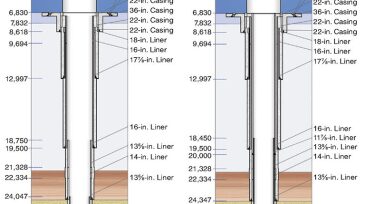
This paper focuses on cementing-design challenges and discusses the engineering techniques used to approach them.
-
Few locations present as many challenges for drilling as the Arctic. It is one of the most hostile environments in the world, with some of the most remote locations, the toughest logistics challenges, and the largest gaps in infrastructure on the planet.
-
Sustaining innovation and well performance during economic downcycles is a hot topic right now. However, the severity of this downturn has resulted in an unprecedented purging of existing paradigms. In this context, it is important to reveal and highlight new initiatives and success stories.
-
This month's feature on Offshore Facilities is drawn from more than 200 papers presented at SPE events over the past year.
-
Continued enthusiasm in the well-testing segment of the oil industry is apparent. Even though there was a smaller number of presentations among various conferences related to well testing in 2016, there are articles that contribute significantly for the experts and the upcoming generation.
-
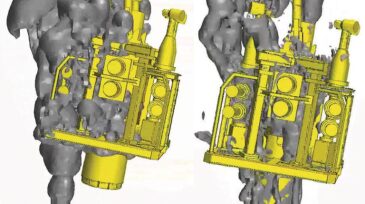
Developing a well-specific subsea-capping contingency plan involves assessing the feasibility of deploying a capping stack from a floating vessel, determining the weight and stability, and performing dynamic-flow simulations of closing the capping stack outlets.
-
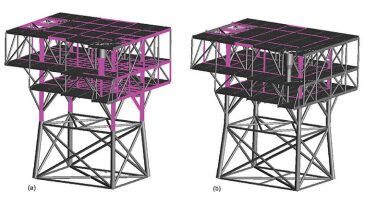
Applying sufficient passive fire protection (PFP) on topside structural-steel members is critical. Simplified and conservative approaches are available to estimate the extent and amount of PFP necessary.
-
Current methods for external inspection of floating assets on station use divers or remotely operated vehicles (ROVs), but these methods incur high safety, people-on-board (POB), and cost penalties. New methods to eliminate diving are being developed.
-
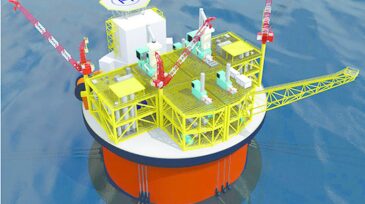
This paper describes a split-process FLNG design where primary production and gas-treatment functions are provided on a host platform while liquefaction occurs on a separate vessel.