Testing page for app
-
 After 5 years of in-depth diagnostic research, the Oklahoma City-based operator shares more insights on fracture behavior.
 -
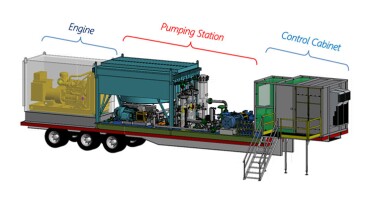
This article describes a technology combining a compression unit with a flexible line to offer a flaring alternative for transferring hydrocarbons.
-
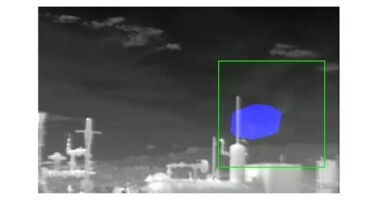
This paper describes a deep-learning image-processing model that uses videos captured by a specialized optical gas-imaging camera to detect natural gas leaks.
-
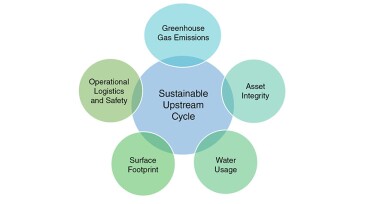
This paper explores the sustainability and safety aspects of laser perforation with a focus on factors such as water requirement, asset integrity, logistics, safety, and surface footprint.
-
This paper describes an intelligent completion system in the context of multiple wells that, by electrifying the process, replaces the conventional electrohydraulic systems that have been in use for decades.
-
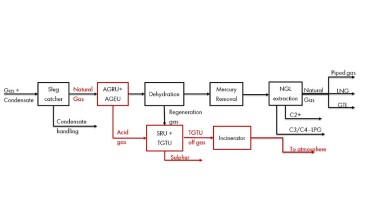
This paper aims to provide insights to address the challenge of identifying the optimal point within the gas-processing lineup for recovering a high-purity CO₂ stream suitable for sequestration.
-
Recently, artificial intelligence (AI), deep learning (DL), and machine learning (ML) have taken natural gas processing and handling on a new trajectory, replacing complex simulation runs.
-
SPE technical papers synopsized in each monthly issue of JPT are available for download for SPE members for 2 months. These March and April papers are available now.
-
The second annual event included visits from two SPE Distinguished Lecturers and 2024 SPE President Terry Palisch.
-
TechnipFMC diver Stuart Cowie shares his 17-year experience working as a saturation diver in the oil and gas industry and how to manage mental health and well-being during the often-isolating work demands.