Testing page for app
-
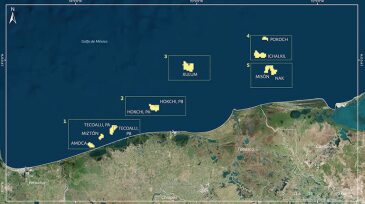
 Mexico’s second oil and gas lease auction has been deemed a success after three out of five shallow-water blocks were awarded in September. The awarded areas contain an estimated 236 million bbl of oil and 190 Bcf of gas.
 -
Pulled directly from the reservoir rock, core samples provide critical data used to determine how exploration should proceed. Until recently, core analysis remained old school, however, there is an ongoing transition to bring the process of core description into the digital age.
-
Although refracturing is a topic that has gained a lot of interest, many shale producers have been sitting on the sidelines because early results did not justify the spending
-
National oil companies (NOCs) in the Middle East plan to boost their collaboration efforts in technology applications through a global industry trade organization’s initiative.
-
SPE's 2015 round of winners has been announced for the Henry DeWitt Smith Fellowship, the SPE Foundation Gus Archie Scholarship, and the Imomoh Scholarship.
-
Low oil prices translate to a rapid drop in production. They will also lead to a series of secondary effects such as debt defaults from deflation, loss of jobs, collapse of oil exporters, and loss of credit needed for exports. These will eventually lead to a rapid decline in oil production.
-
The oil price cannot be USD 20 for any long period because we cannot produce enough oil to feed the world at that price. But if the price of oil is based on supply and demand, how could it fall to USD 20 at any point in time?
-
Nontechnical risks, primarily around HSE or social responsibility, increasingly pose risks to project timelines. To manage these risks, companies are seeking systems that can ensure quality performance in these operational areas.
-
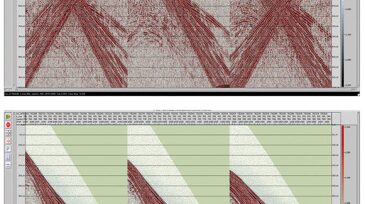
The word “broadband” is used to sell a lot of what is new in offshore seismic. It can mean different things depending on who is speaking.
-
Companies are using an increasing number of sound shots to gather more data in a shorter time frame.