Testing page for app
-
 Operator will receive $1.38 billion for cluster of 22 concessions in the Potiguar basin.
 -
The authors write that the application of electrical parameters to diagnose working conditions and meter production of pumping wells is the key to the low-cost Internet-of-Things construction.
-
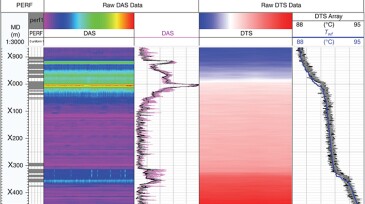
This paper describes a novel machine-learning approach for processing distributed fiber-optic sensing data that enables dynamic flow-profile monitoring using a fiber-optic electric-line cable deployed in a gas condensate well.
-
The authors discuss a production strategy in which high-gas/oil-ratio crude can be injected into the upper oil reservoirs with partial pressure depletion to achieve production enhancement and synergy among reservoirs.
-
Is it possible to predict future petroleum engineering graduation rates based on past trends? The answer is no. But this discussion by experts in both analysis and academia shows those trends can offer some interesting insights.
-
The paper provides information to engineers for selecting high-viscosity friction reducers and describes a methodology for evaluating damage potential and proppant transport.
-
Digital technology for orchestrating production-optimization and reservoir-management work flows has been increasingly embedding machine-learning functionality.
-
The principles behind unconventional wells lead to production profiles very different from conventional wells. High initial-production rates drop to much lower rates in a matter of months or a few years. How many in the US are currently considered low-production-rate wells?
-
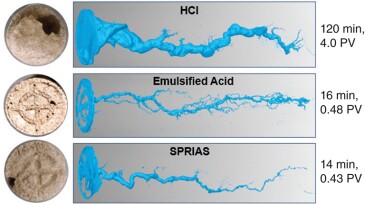
The authors describe the benefits of a single-phase retarded inorganic acid system, which they write features the same benefits as emulsified acids while eliminating the drawbacks of the latter.
-
TotalEnergies, Chevron and others abandon region citing worsening humanitarian situation.