Testing page for app
-
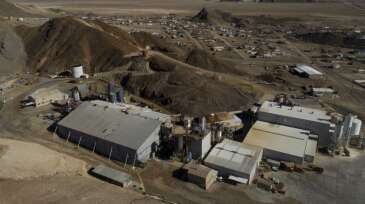
 As clean energy technology gains ground, a new energy security concern is taking center stage. Where once national security officials watched oil supplies, they are now tracking the production of minerals such as cobalt, indium, and neodymium used in the manufacturing of batteries, solar panels, and wind turbines.
 -
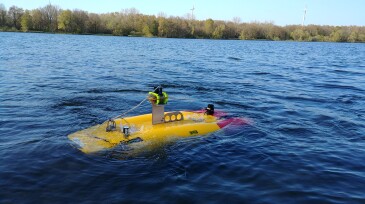
The new DeeperSense project, an international consortium led by the German Research Center for Artificial Intelligence, is working on technologies that combine the strengths of visual and acoustic sensors with the help of artificial intelligence. The aim is to significantly improve the perception of robotic underwater vehicles.
-
ExxonMobil submitted a proposal to Colombian authorities to develop a hydraulic fracturing pilot project in the Magdalena Basin. Colombia wants to drastically raise its declining reserves-to-production ratio by tapping into shale.
-
The Energy Council, a London-based networking platform, has released a survey of its 100,000 members suggesting that the finance and investment community has money and an appetite to continue to fund E&P exploration, particularly in gas.
-
The operator will use the cash from the sale to reimburse its expenses related to the platform’s construction.
-
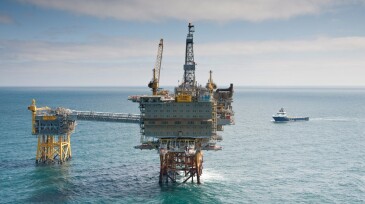
Phased work to remove Heimdal and Veslefrikk A from the Norwegian North Sea shelf should be completed sometime in 2025.
-
The NeoLith pilot plant is on track to begin operations before the end of the year.
-
As the saying goes, the future is now. This is certainly the case offshore Norway, which represents one of the industry’s most influential test beds for impactful innovation.
-
A new white paper reports that Houston is better poised than anywhere else in the US to play a far more significant role in reducing emissions from industrial sources.
-
Flaring in the UK North Sea fell by 22% in 2020 from the previous year as production facilities cut the overall volume to 33 Bcf, a reduction that is roughly equivalent to the gas demand of 200,000 UK homes.