Testing page for app
-
 This paper describes development of a high-temperature water-based reservoir drill-in fluid using a novel synthetic polymer and customized with optimal chemical concentrations and sized calcium carbonate.
 -
In this case study, a geomechanics-based approach was used to create bridging and sealing at the fracture aperture using a biparticle self-degradable lost-circulation-fluid system.
-
SPE technical papers synopsized in each monthly issue of JPT are available for download for SPE members for 2 months.
-
The global oilfield service company is working with Ormat Technologies to boost its integrated geothermal business.
-
The report from the Oil and Gas Climate Initiative presents data showing that its 12 member companies have reduced aggregate upstream methane intensity by 62%, routine flaring by 72%, and carbon intensity by 24% since 2017.
-
A newly formed global coalition, Carbon Measures, aims to develop a ledger-based carbon accounting framework and champion market-based solutions to drive emissions reduction.
-
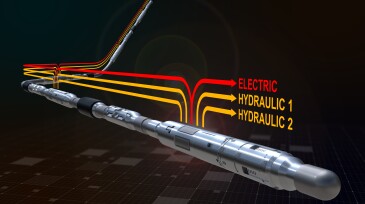
SponsoredSince 1997, intelligent completions have transformed reservoir management, but adoption remains limited due to perceived complexity. The industry reached a pivotal moment with the development of next-generation technologies that address longstanding challenges and offer simpler operation solutions.
-
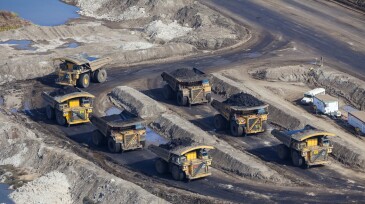
Absolute greenhouse-gas emissions from Canadian oil sands increased by less than 1% in 2024, even as production grew, according to an analysis by S&P Global Commodity Insights, which cited gains in efficiency for the trend.
-
Satellite data show nearly 45,000 methane plumes worldwide in the first quarter, triple the number from a year earlier.
-
The publication highlights the role of carbon capture and storage (CCS) in the energy transition and how the oil and gas industry can support the uptake of CCS technologies and presents case studies from Ipieca members.