Testing page for app
-
 Industry experts advocate for collaboration to develop and test technology that can reduce emissions without breaking the bank.
 -
Industry professionals can use the 20/60/20 approach to recruit those most likely to be won over to oil and gas.
-
This paper presents a clear and consistent method for determining dead and live crude EACNs using a single reliable method, highlighting a graphical way to determine the optimal salinity and its uncertainties using real data.
-
Viking Energy, the world’s first LNG-powered supply vessel, is set to become the world’s first ammonia-powered supply vessel.
-
H2Teesside is expected to be one of the UK’s largest low-carbon hydrogen production facilities, targeting 1.2 GW of low-carbon hydrogen production, which equates to more than 10% of the UK’s 2030 hydrogen production target.
-
The guidance presents the first oil-and-gas-specific set of circularity indicators to enable oil and gas companies to measure the circularity of their assets and material in/out flows.
-
The environmental analysis found no significant effects from issuing leases.
-
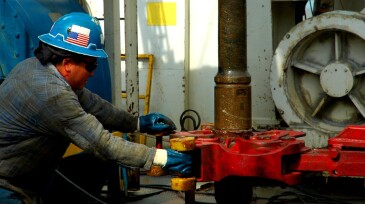
This paper explores the use of human-factors analysis and classification systems in comprehending hand and finger injuries in the oil and gas industry.
-
A Houston-based geothermal startup just got "liked" by the parent company of Facebook.
-
Proving that green hydrogen can efficiently power steel pipe manufacturing could advance the EU’s plan to decarbonize its heavy industry by importing the sustainable fuel from North Africa after 2030.