Testing page for app
-
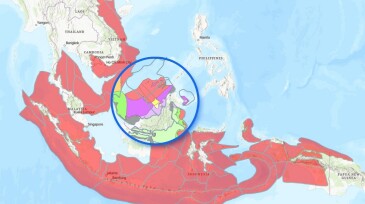
 The company has added a new Southeast Asia carbon storage study to its growing library of carbon capture, use, and storage opportunities.
 -
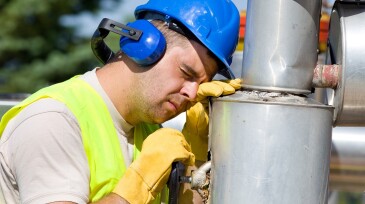
While there are many physical hazards present in offshore environments, such as noise pollution, vibration, radiation, and thermal extremes, oil and gas companies must stay committed to promoting employee safety with regular maintenance checks, ongoing training programs and a continued focus on employee health.
-
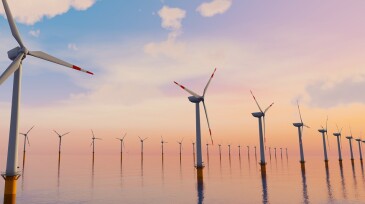
The areas are expected to have the potential to supply 2.4 GW of clean renewable energy.
-
This article describes how leadership involvement in office and site visits can support and sustain an outstanding safety culture and outlines added benefits of conducting office and site visits.
-
The Research Council of Norway’s $118,000 grant will support development of longer fishbone laterals to raise production while lowering carbon footprints.
-
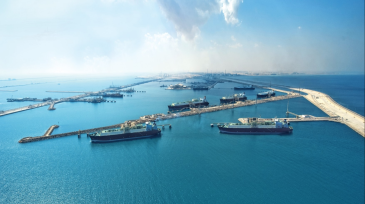
With its North Field development project in full swing to the south and east, Qatar is now turning west to supercharge its plan to raise LNG production by almost 85% before 2030.
-
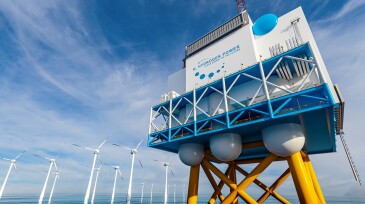
This paper assesses the opportunity for an integrated and circular approach to developing the offshore energy sector for the energy transition. It evaluates how offshore wind, green hydrogen production, and heritage oil and gas expertise can be brought together to benefit all sectors to support a viable green hydrogen and wind economy.
-
With negotiations dead on arrival with Russian independent major Lukoil, Iraq is asking Gazprom to take over development of the Nasiriyah oil field south of Baghdad.
-
The Emerging Leaders Program recognizes young professionals with fewer than 10 years of experience in the offshore energy sector. This year’s class will be honored during a special ceremony during the conference on 7 May.
-
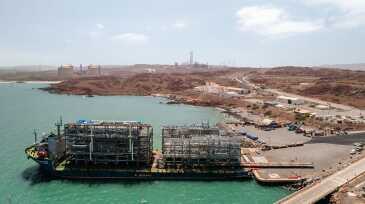
The Scarborough energy project is targeting first LNG cargo in 2026.